 Sharespulse
Trump Wants Data Centers to Power Themselves. Experts Say Only States Can Make That Stick
Energy·October 22, 2026
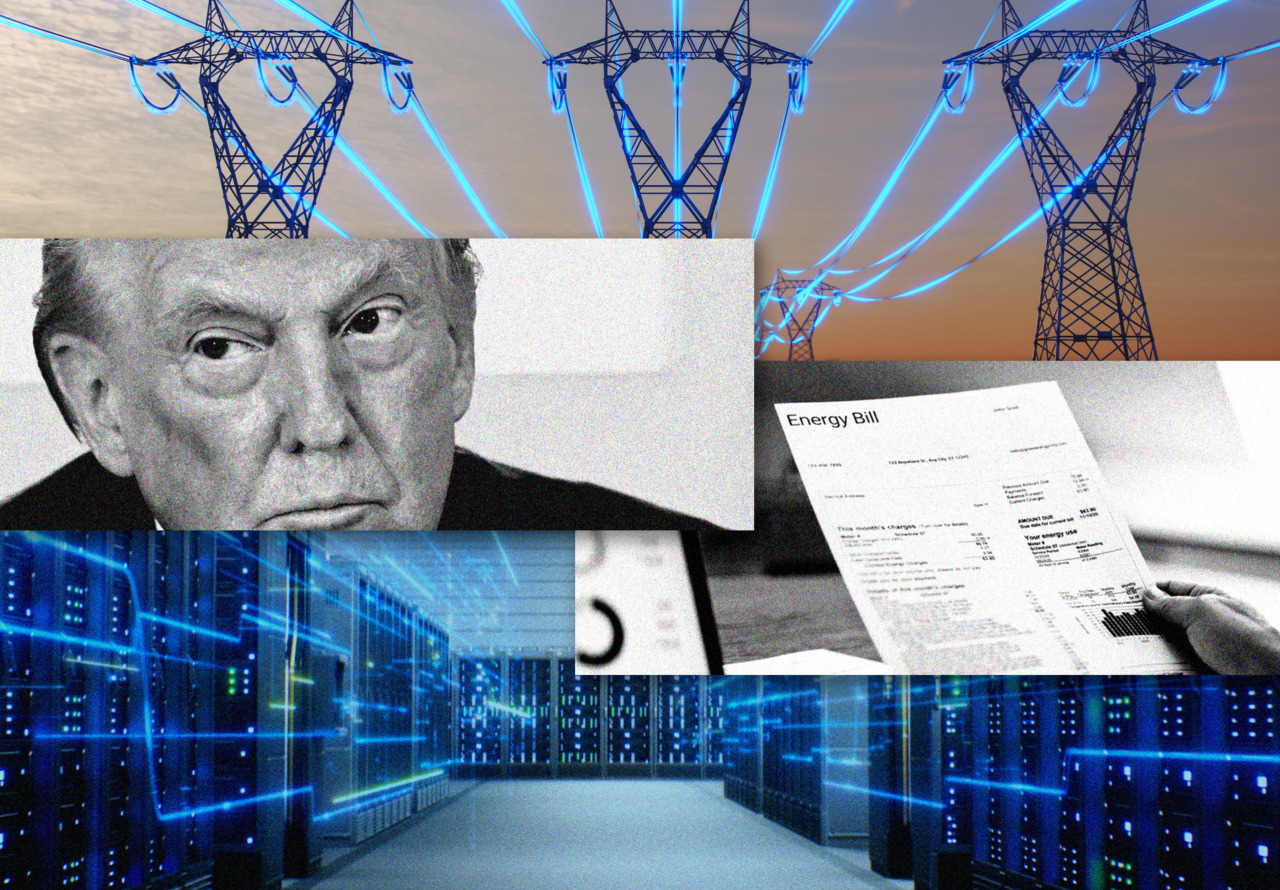
President Donald Trump has said that data centers should generate their own electricity rather than draw on the public grid. The remark lands as frustration with the sprawling server farms grows among voters who say the facilities are pushing up power bills and straining water supplies and local land. With the midterm elections weeks away, energy costs are becoming a campaign issue in districts where new data centers are going up.
The catch is jurisdiction. Experts say the federal government has limited authority to require individual data centers to build their own generation. Retail electricity sales, and most decisions about how and when a large new customer connects to the grid, sit with state utility regulators and state legislatures. Federal regulators oversee wholesale markets and interstate transmission lines, but they generally do not dictate how a private company supplies its own load. Any firm requirement that a data center produce its own power would most likely have to come from state law or from state regulators approving the terms utilities can offer.
The push comes as data center construction has accelerated sharply. AI companies are looking for sites with cheap and abundant power, and utilities have been asked to plan for loads that can rival a small city. That planning can mean new transmission lines, new gas plants and higher rates spread across all customers. Residents in several communities have turned out at zoning hearings and state capitols, arguing that they are subsidizing infrastructure that mainly benefits technology companies.
Self-supply, sometimes called behind-the-meter generation, is already an option some operators pursue. It can include onsite gas turbines, fuel cells, or battery storage paired with contracts for new capacity. Supporters argue that this would keep household bills from absorbing the cost of data center growth. Critics say onsite fossil generation adds emissions and local air concerns, and that the idea only works if states write rules that make it mandatory rather than voluntary.
It is not yet clear whether the administration plans to pursue executive action or leave the question to the states. A presidential statement does not carry the force of a rule on its own. For voters and local officials, the practical test is whether such pledges become enforceable terms on rates, water use and grid obligations before the next round of permits and utility contracts locks in new projects.
Reporting based on an external source.