 Sharespulse
SpaceX's AI Compute Dream Runs Into Money, Power and Chip Limits
AI·October 22, 2026
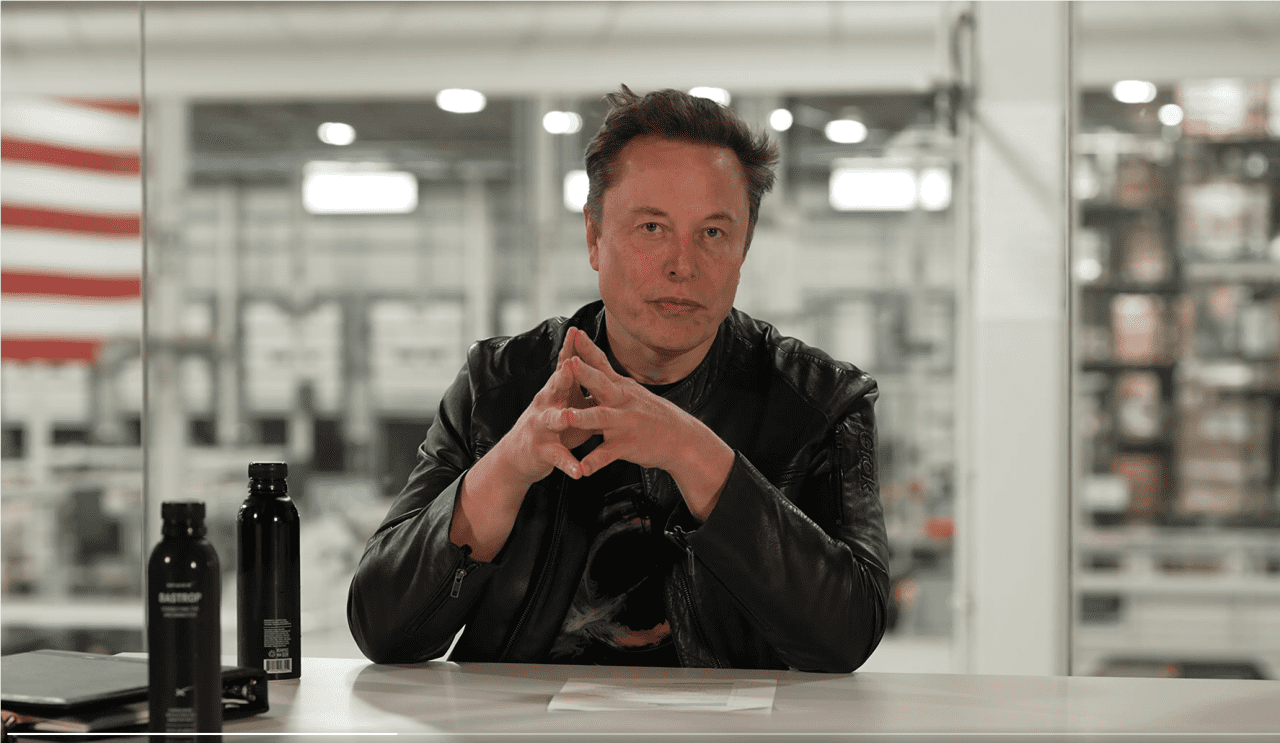
Elon Musk has never been shy about scale, and his latest target for SpaceX's computing infrastructure is no exception. The goal is to grow the company's capacity to run artificial intelligence workloads by a factor that sounds more like a science fiction forecast than a business plan. Whether that ambition can become reality is a separate question, and the obstacles are concrete.
The first is money. Building data centers and the hardware that fills them is among the most capital-intensive undertakings in the technology sector. Every expansion requires land, buildings, cooling systems and servers, and those costs climb quickly once the target is measured in orders of magnitude rather than percentages. SpaceX will need deep pockets or a steady stream of outside investment to keep construction moving, and investors will want to see how the spending turns into revenue.
The second is electricity. Large AI clusters draw enormous amounts of power around the clock, and utilities cannot always add supply on the timelines that tech companies want. Securing long-term power contracts, building new generation capacity or connecting to an overloaded grid can take years. For a company planning a rapid buildout, energy availability may turn out to be a more stubborn bottleneck than money itself.
The third is chips. Demand for the most advanced AI accelerators has far outstripped supply for much of the current boom, and the largest buyers tend to get served first. Even a company with Musk's profile and resources must compete for limited allocations from a small group of manufacturers, and delivery schedules can slip. Without enough processors, a data center is little more than an empty building.
None of these challenges makes the goal impossible. Musk has a record of pushing timelines and pulling in capital, and SpaceX has shown it can execute demanding engineering projects. But the gap between an announced target and a working system is often wide, and the three constraints interact. Money buys chips, chips need power, and power needs permits and infrastructure. Watching how SpaceX handles each of them will say more about the plan's credibility than the size of the headline number.
Reporting based on an external source.