 Sharespulse
Why Investors Should Be Wary of a Tesla-SpaceX Merger
Markets·October 22, 2026
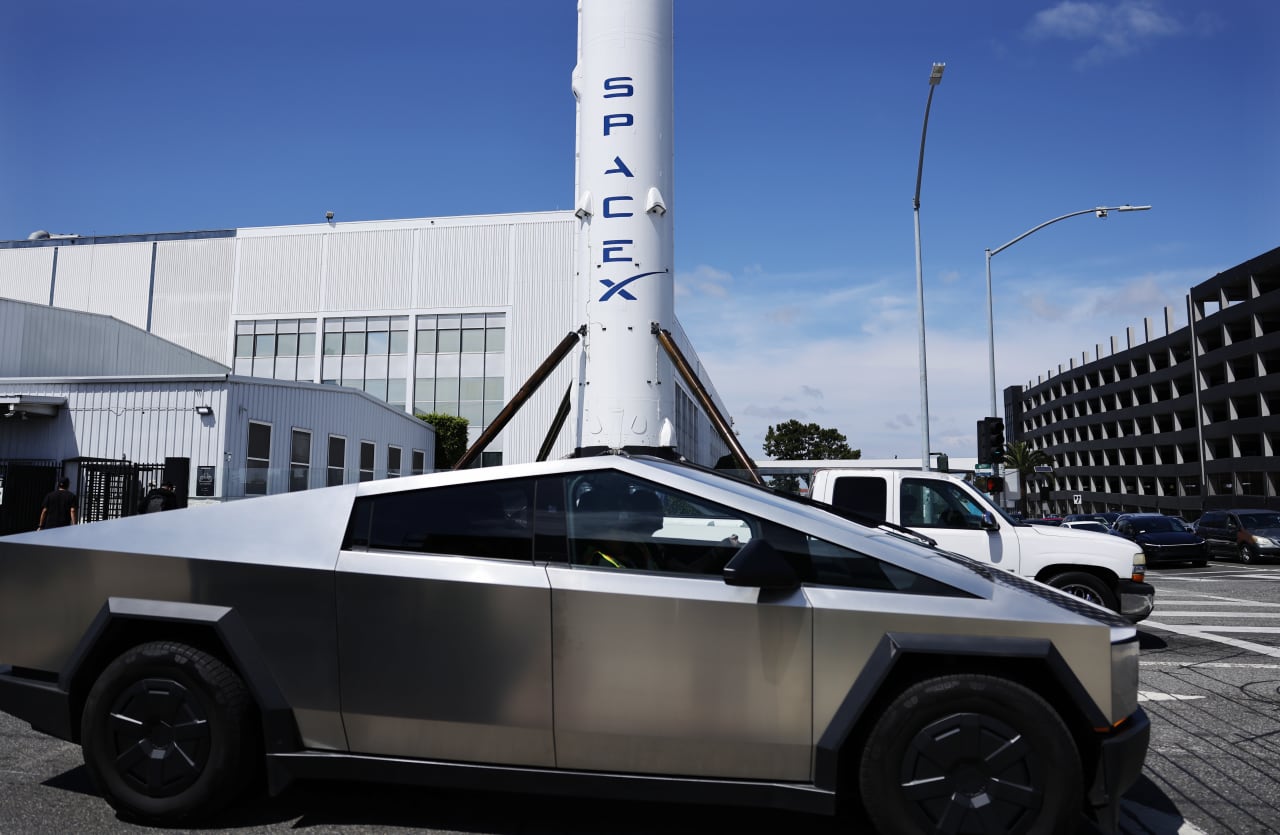
Speculation about a combined Tesla and SpaceX has been circulating on Wall Street, and it has investors imagining a single company spanning electric vehicles, rockets, satellite internet and robotics. The enthusiasm is understandable. Both companies have large followings and both are tied to ambitious bets. But excitement about a headline is not the same as a case for a deal, and the reasoning behind a merger looks weaker the closer it is examined.
The core problem is that the two businesses have little in common operationally. Tesla builds vehicles and energy storage products at high volume, competing on manufacturing cost, pricing and service. SpaceX builds launch vehicles and runs Starlink, a satellite network with its own capital cycle, its own customers and its own regulatory exposure. Their cost structures and growth timelines differ sharply. Putting them under one roof would not produce the kind of operating synergy that normally justifies a combination. It would mostly place two very different machines on the same balance sheet.
Governance is the bigger concern. Elon Musk leads both companies, and that overlap already raises questions about related-party dealings, management attention and how capital is allocated. A merger would concentrate those issues. Tesla shareholders would be asked to effectively back a business they do not hold a direct stake in, and any valuation of SpaceX would be set in a process that a single dominant figure shapes heavily. Minority investors have good reason to ask who is negotiating on their behalf.
Capital is another issue. Both companies have expensive plans. Folding them together could mean Tesla's cash generation funds SpaceX's ambitions, or that new equity issued for one side dilutes holders on the other. Either outcome shifts risk from one group of shareholders to another, and it is far from obvious that the trade would favor Tesla holders.
Investors should also keep in mind that a rumored merger is not a completed transaction. Deals of this scale involve boards, regulators, valuation disputes and shareholder votes. Until terms are actually on the table, the sensible approach is to judge each company on its own results and to treat merger talk as a story rather than a catalyst. Skepticism here is not hostility toward either company. It is the basic discipline of asking what a shareholder gets in return for the risk they would take on.
Reporting based on an external source.