 Sharespulse
Can Machines Feel? Philosophers and Tech Leaders Rethink Consciousness
AI Ethics·October 24, 2026
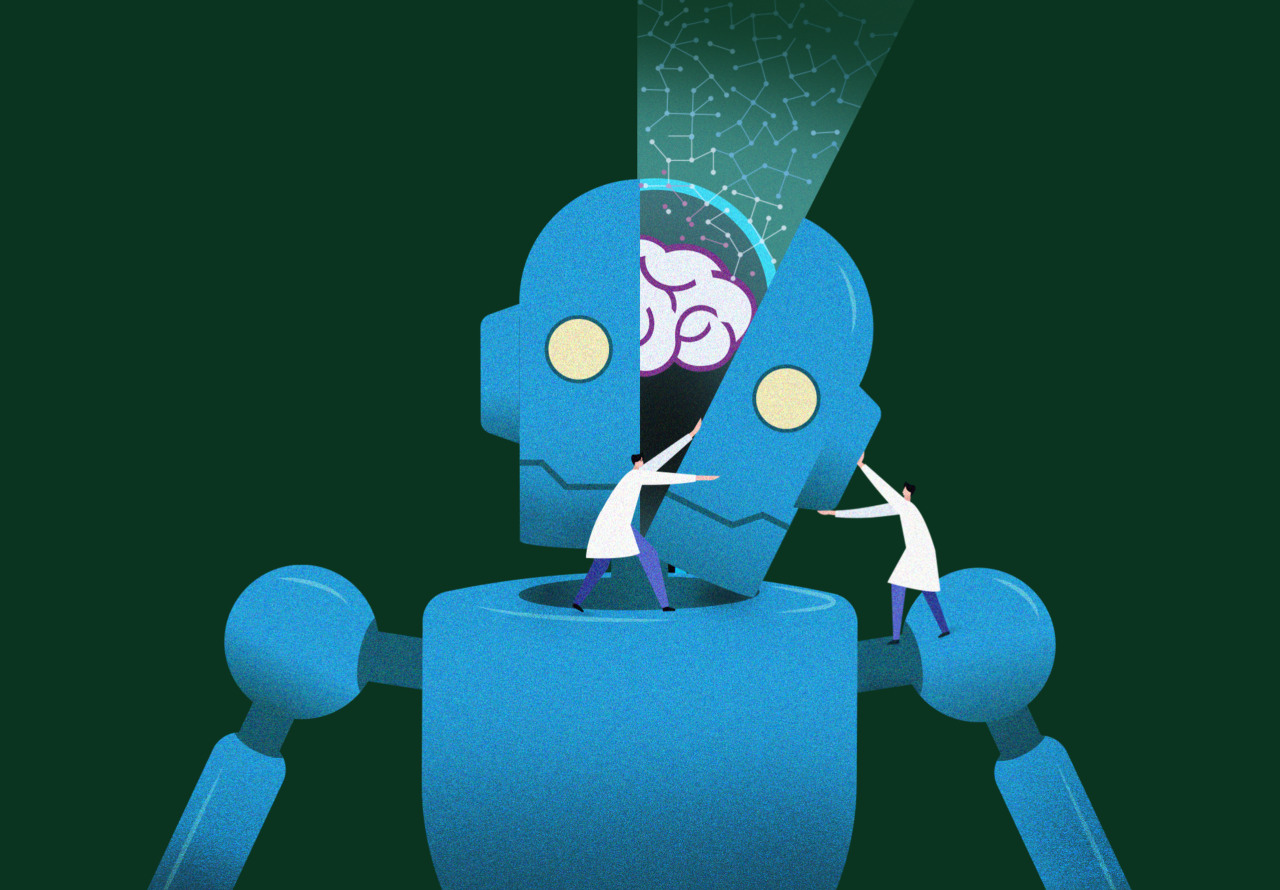
For most of computing history, the question of whether a machine could feel anything belonged to science fiction and philosophy seminars. That is changing. As AI models become more fluent and more capable in everyday conversation, a growing number of philosophers and technology executives are treating machine consciousness as a serious question rather than a thought experiment.
The debate is less about whether today's chatbots are conscious and more about how anyone would know. Fluent language is a weak test on its own. A system trained on vast amounts of human writing can talk convincingly about sadness, curiosity or fear without any clear way to tell whether anything is experienced behind the words. Researchers have proposed indicators drawn from theories of mind, but there is still little agreement on what would count as real evidence.
Tech leaders have a stake in how the question is framed. Some argue that the possibility of machine experience should shape how companies design and deploy their systems, from how a model responds to someone in distress to how it should be treated if it ever warrants moral consideration. Others see the framing as a distraction. They warn that talk of machine feelings can encourage users to form emotional bonds with, or place unearned trust in, software that does not deserve it.
Philosophers point to a broader shift. The relationship between people and their tools is being rewritten as machines take on conversational roles. Questions about who is accountable for what an AI says, how people attach themselves to systems that respond like a companion, and where the line between tool and partner should sit are no longer abstract. They show up in product decisions made every day.
No consensus is close. What the discussion has accomplished so far is to move consciousness out of the margins and into conversations among the people building the most advanced systems. Whether that produces better answers or simply more confident marketing will depend on how seriously the field takes its own uncertainty.
Reporting based on an external source.