 Sharespulse
Warsh Needs Clearer Signals, Not More Non-Answers
Economy·October 24, 2026
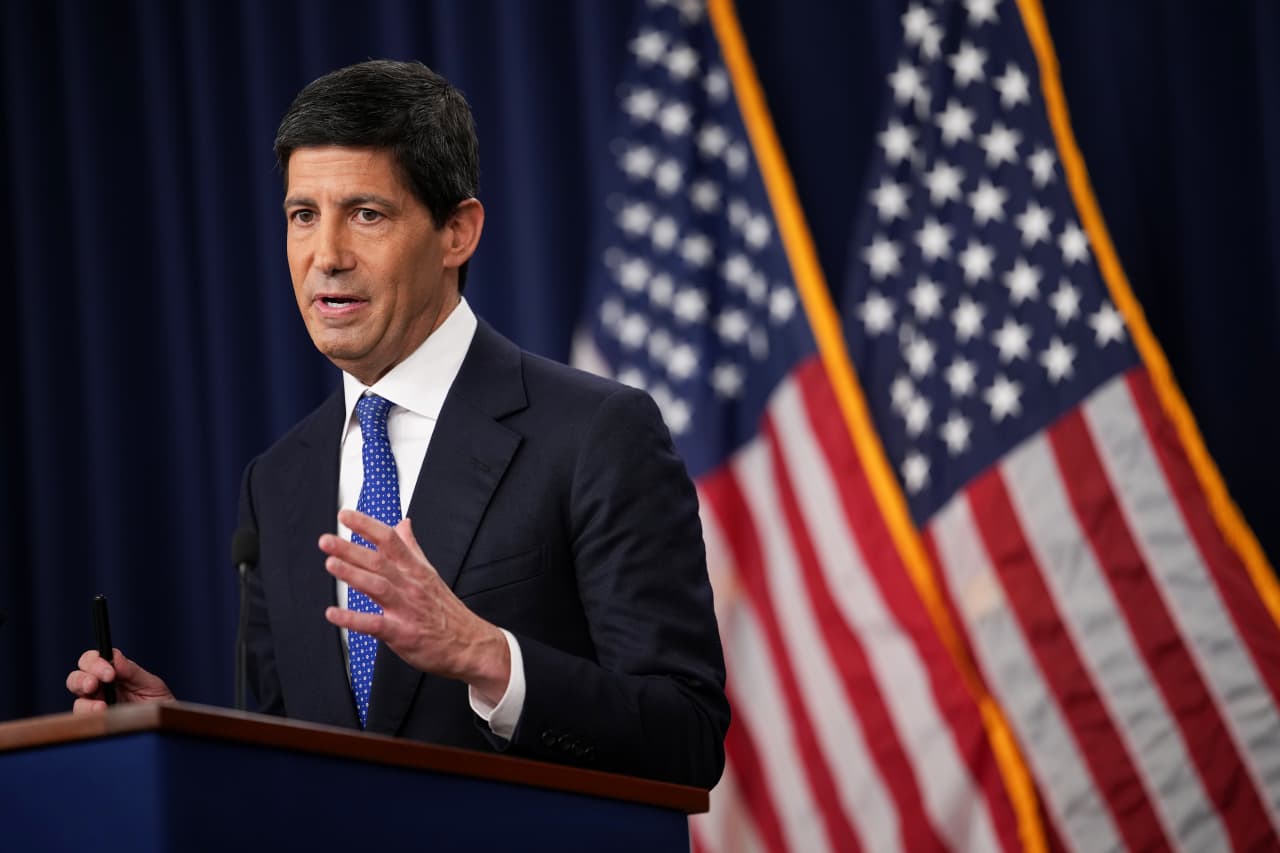
Investors have spent much of the past year parsing every word from the Federal Reserve, and the frustration is growing. Hedged speeches and noncommittal answers to reporters leave markets guessing about the next rate decision, and that guesswork can move prices as much as the decision itself. Economists who follow the central bank say the core problem is not the data. It is whether the institution can explain how it reads that data.
That puts Fed Chairman Kevin Warsh under a particular kind of pressure. Market participants are less interested in a bold forecast than in a consistent framework they can use to judge future decisions. When the chair spells out what would prompt a move, whether inflation running hotter than expected or a weakening job market, investors can adjust their positions with some confidence. When the answer is a shrug or a restatement of the obvious, they fall back on speculation, and volatility tends to follow.
Some analysts argue that clarity has value even when the message is unwelcome. A central bank that says plainly it is worried about inflation and will hold rates steady until it sees progress gives traders something concrete to test. A central bank that refuses to commit may look cautious, but it often ends up with less credibility, because every speech and data release gets treated as a possible hint.
Warsh also inherits a communications toolkit built over years of forward guidance and regular press briefings. Those tools have their critics, and any changes he makes to how the Fed talks to the public will be watched closely. Whether that means fewer signals, more explanation or a different rhythm of appearances is not yet clear. What matters most to investors is consistency: the same logic applied from one meeting to the next, and an obvious link between what the Fed says and what it does.
For now, the verdict will come from the next few meetings. If Warsh can lay out the path of policy in plain language, investors may be willing to live with uncertainty about the outcome. If he cannot, the non-answers will keep piling up, and so will the surprises.
Reporting based on an external source.