 Sharespulse
Can You Clear $4,500 in Credit-Card Debt in Two Months?
Personal Finance·October 24, 2026
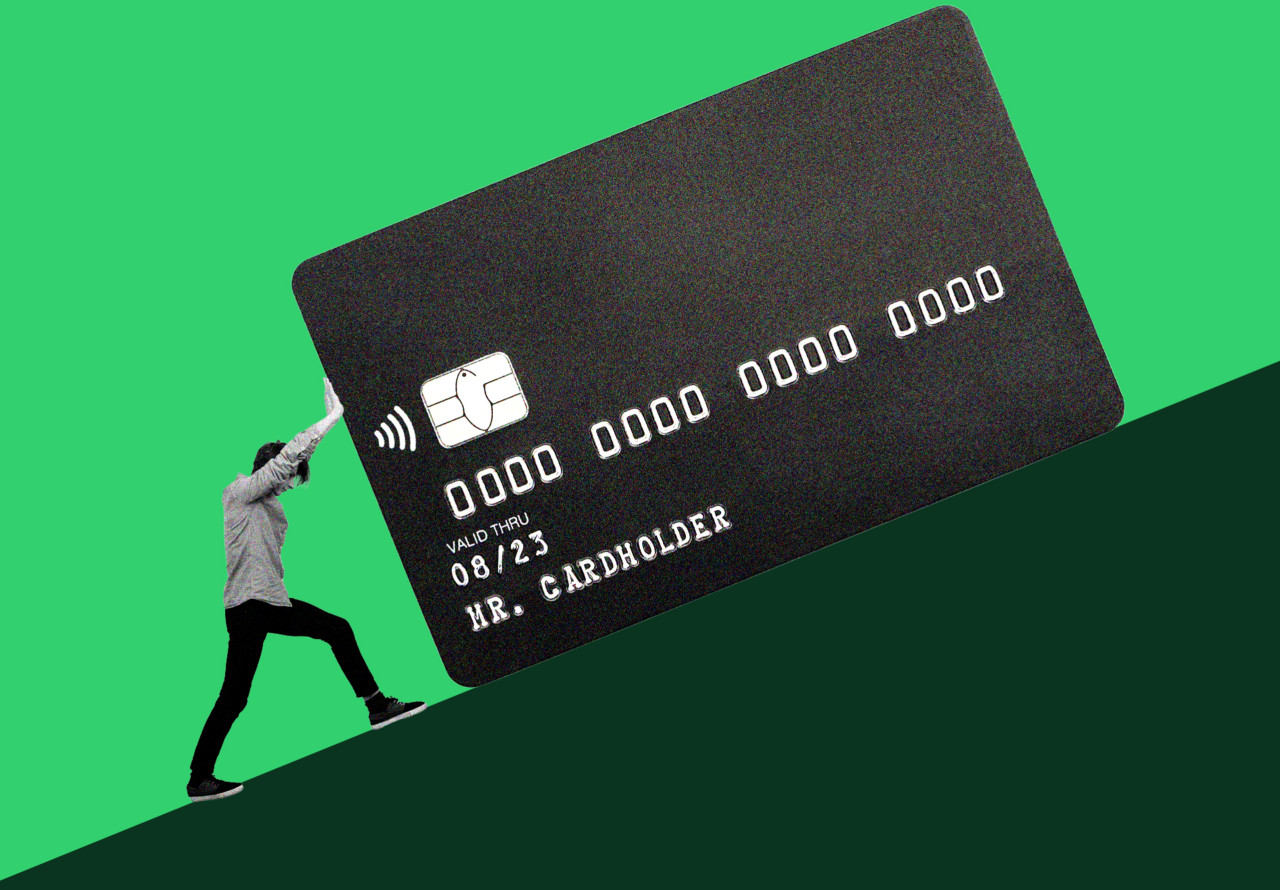
Paying off $4,500 in credit-card debt in two months is possible, but only for people whose monthly budget can absorb a payment of roughly $2,300. The question is a common one, and the arithmetic is simple. The answer depends far more on cash flow than on any trick for paying debt down faster.
Interest is what makes the math tighter than it looks. Many general-purpose and store cards carry annual rates somewhere around 20 to 25 percent, which means a $4,500 balance picks up roughly $75 to $95 in interest in the first month alone. To retire the debt in two equal payments at a 24 percent APR, you would need to send about $2,320 each month, or around $4,640 in total. Pay less than that and the leftover balance keeps accruing interest, so the timeline stretches quickly. Paying only the minimum, which is often a small percentage of the balance plus interest, can take many years and generate interest that rivals the original balance.
Before committing, run the numbers on your own budget. Take your monthly take-home pay, subtract rent, utilities, insurance, food, transportation and any required debt payments, and see what remains. If the leftover is at least $2,300 and you can hold it there for 60 days, the plan works on paper. If not, a two-month goal is likely to fail in the second month, when a car repair or a medical bill lands on the card you were trying to empty. A missed plan often leaves people deeper in debt than when they started.
If your surplus falls short, there are more realistic routes. A balance transfer card with a 0 percent introductory rate can pause interest for 12 to 21 months, though most charge a transfer fee of about 3 to 5 percent, which adds $135 to $225 on this balance. A fixed-rate personal loan can consolidate the debt at a lower rate with a set payoff date. You can also call your issuer and ask about a lower APR or a hardship program. Whichever route you choose, stop adding new charges to the cards until the balance is gone, since reusing freshly cleared lines is the most common way people end up back where they started.
Picking a repayment order matters less than picking one and sticking to it. The avalanche method sends extra money to the card with the highest APR first and saves the most interest. The snowball method starts with the smallest balance, which can keep motivation high. Either beats spreading money evenly and hoping for the best.
Feeling behind at 32 is common and not a sign of failure. Few people get a structured lesson in cash flow, interest or debt, and many learn it only after a bill goes sideways. Asking the question now, with a specific number and a deadline, is a better starting point than many people reach. For a lot of households, the honest answer is that six to twelve months is the realistic window, with a small emergency cushion kept alongside the payments. A two-month sprint works only if the money is already there.
Reporting based on an external source.