 Sharespulse
Who Pays for Social Security? Every Fix Asks Someone to Give Something Up
Policy·November 8, 2026
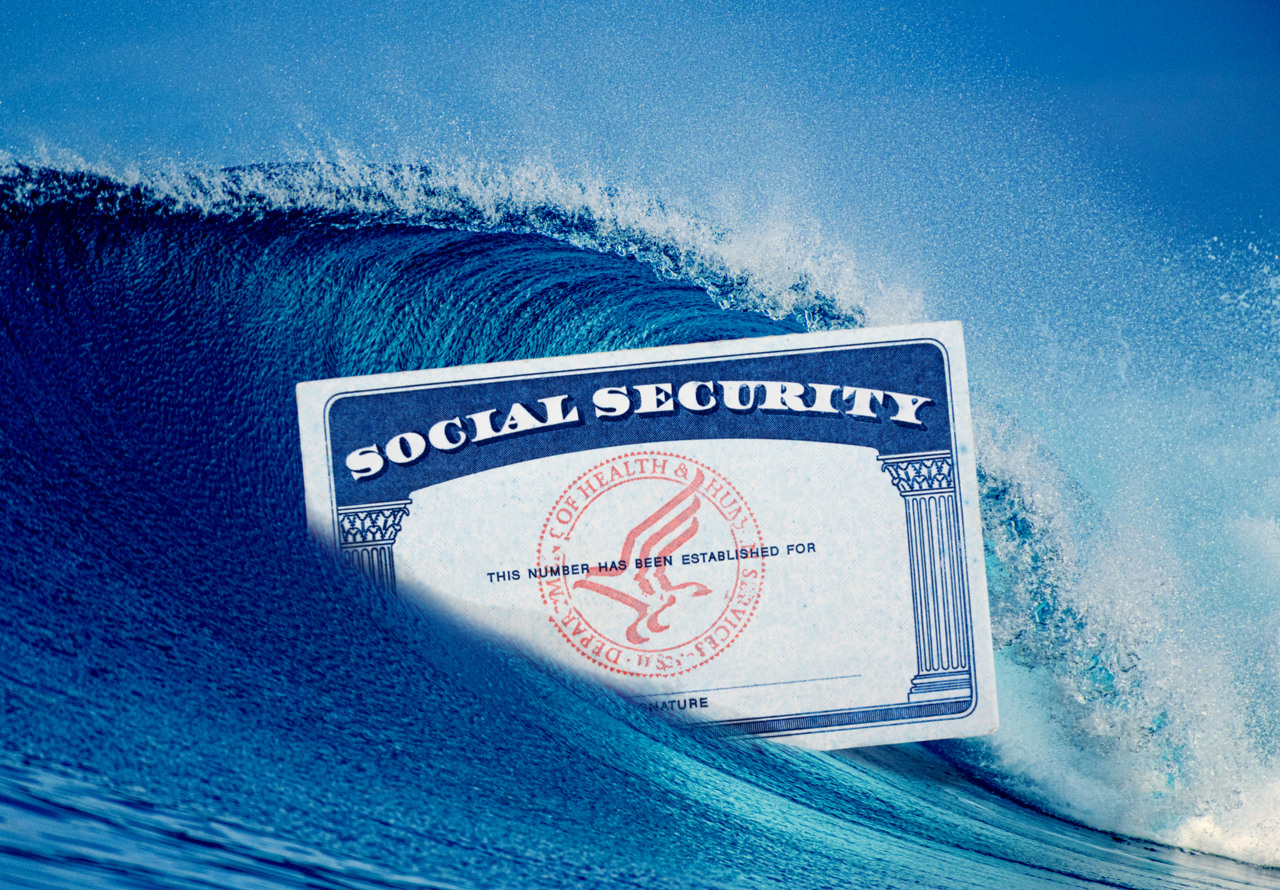
Democrats' strong showing at the polls has pushed Social Security back toward the top of the policy agenda, and with it comes a question lawmakers have long preferred to leave alone: if the program needs more money, who should supply it?
The underlying math has not changed. Social Security is funded mainly by payroll taxes paid by today's workers and their employers, and the number of retirees relative to workers has been climbing for years. Benefits are covered by those taxes plus the reserves in the trust funds. Trustees reports have repeatedly projected that those reserves will eventually run down, at which point incoming taxes would cover only part of scheduled benefits unless Congress acts.
The menu of fixes is familiar. Lawmakers can raise the payroll tax rate, lift or eliminate the cap on earnings subject to the tax, raise the retirement age, change how benefits are calculated for future retirees, or combine several of these. Each choice lands on a different group. Higher payroll taxes fall on workers and businesses alike. Removing the earnings cap would mostly hit high earners. Benefit reductions and a later retirement age fall on current and future retirees, and people in physically demanding jobs, who often cannot keep working until 67 or 70, tend to bear the heaviest load.
That is why the debate keeps stalling. Each proposal has backers who argue it is the fairest option and critics who see it as a tax increase or a benefit cut in disguise. Economists and budget analysts across the spectrum tend to agree on the arithmetic: closing the gap requires more revenue, smaller benefits, or some mix of both. The fight is over the split.
For Democrats, the question is political as well as fiscal. Asking higher earners to pay more into the system is a frequent proposal from the party and polls well with its base, but it still draws opposition from business groups and from lawmakers wary of anything that looks like a tax increase. Any change touching benefits invites the kind of backlash that has sunk reform efforts before.
Timing matters too. The sooner a fix is enacted, the more gradual the adjustments can be, giving workers and employers time to plan and reducing the chance that changes have to be abrupt. Waiting until the reserves are close to exhaustion would leave fewer and harsher options. Almost everyone involved agrees on that much, even if they cannot agree on who should pay.
Reporting based on an external source.