 Sharespulse
Young Americans Are Trading Car Ownership for Financial Breathing Room
Personal Finance·October 24, 2026
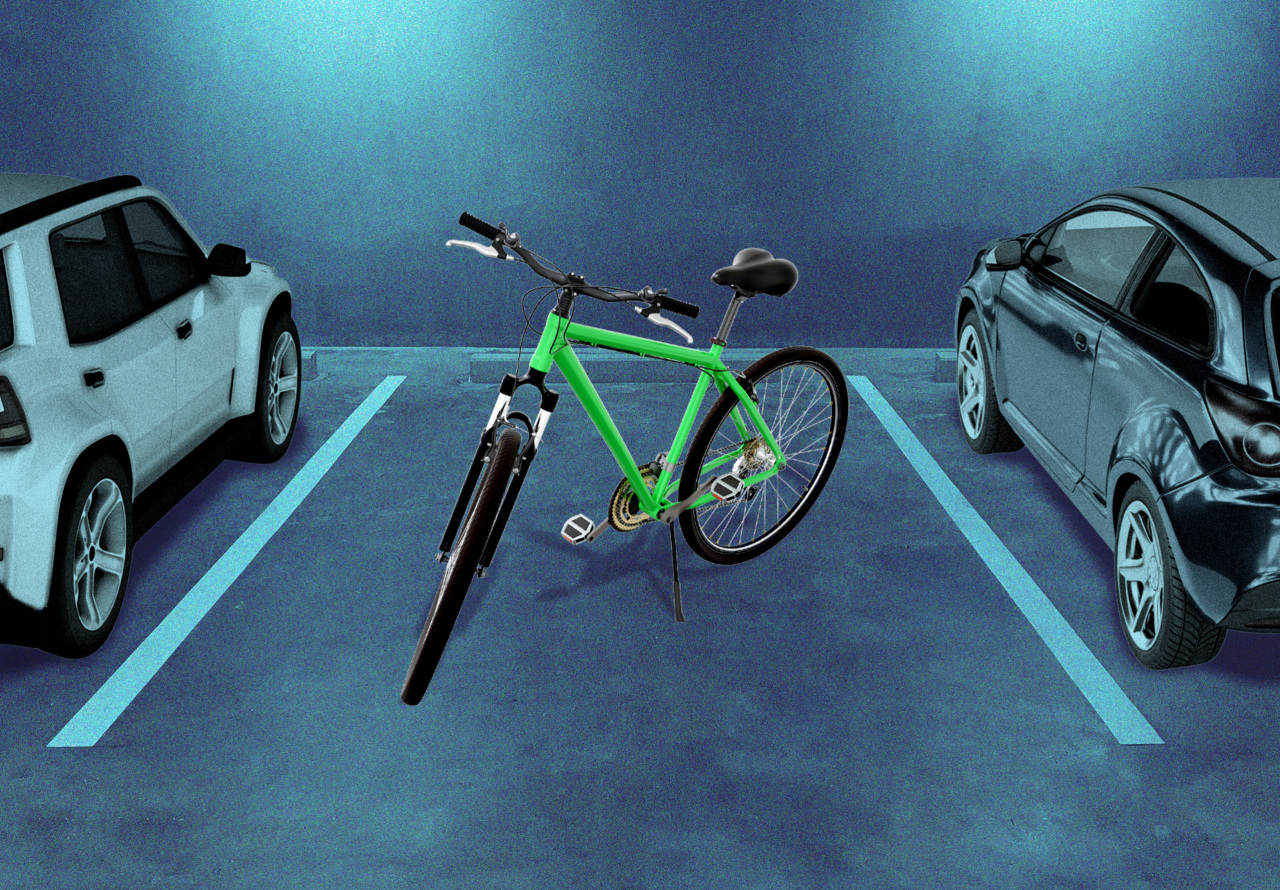
For many young Americans, a car is no longer the automatic first big purchase. With new and used vehicle prices climbing, and loans, insurance, fuel and repairs stacking on top of the sticker price, a growing number of young adults are deciding that owning a car is a cost they can simply skip. For some, that decision is turning into a real source of financial breathing room.
The math is simpler than many buyers expect. A car is one of the largest expenses most people take on after housing, and the purchase price is only the start. Monthly payments, insurance premiums, registration, parking, maintenance and depreciation can add up quickly, especially for someone early in their career with a modest income. Redirecting that money toward rent in a walkable neighborhood, an emergency fund, retirement contributions or student loan payments can change a household's finances within a few years.
Going car-free is not just a matter of willpower, though. It works best in dense cities with reliable public transit, bike lanes, and access to ride-hailing or car-sharing services. People who make the switch often plan their routines carefully, combining transit with occasional rentals or rides for trips that are hard to avoid. Those who live in car-dependent suburbs or rural areas, or whose jobs require regular driving, may find the trade-off far less appealing, or simply impractical.
Financial planners often suggest that anyone weighing the move compare the full annual cost of owning a vehicle with what they would really spend on transit passes, rideshares, rentals and the odd taxi. The comparison should also account for less obvious factors, including commute times, access to jobs and social life, and the peace of mind that comes from knowing a car is available in an emergency.
The trend also reflects a broader shift in how younger people think about spending. Many would rather keep their money flexible than tie it up in an asset that loses value every year. Whether the pattern lasts will depend on vehicle prices, interest rates, and how well cities and employers support alternatives to driving. For now, a noticeable group of young adults is treating the choice not to buy a car as a financial strategy in its own right.
Reporting based on an external source.