 Sharespulse
Used EVs Can Save Money at the Pump, but Check the Battery First
Autos·October 28, 2026
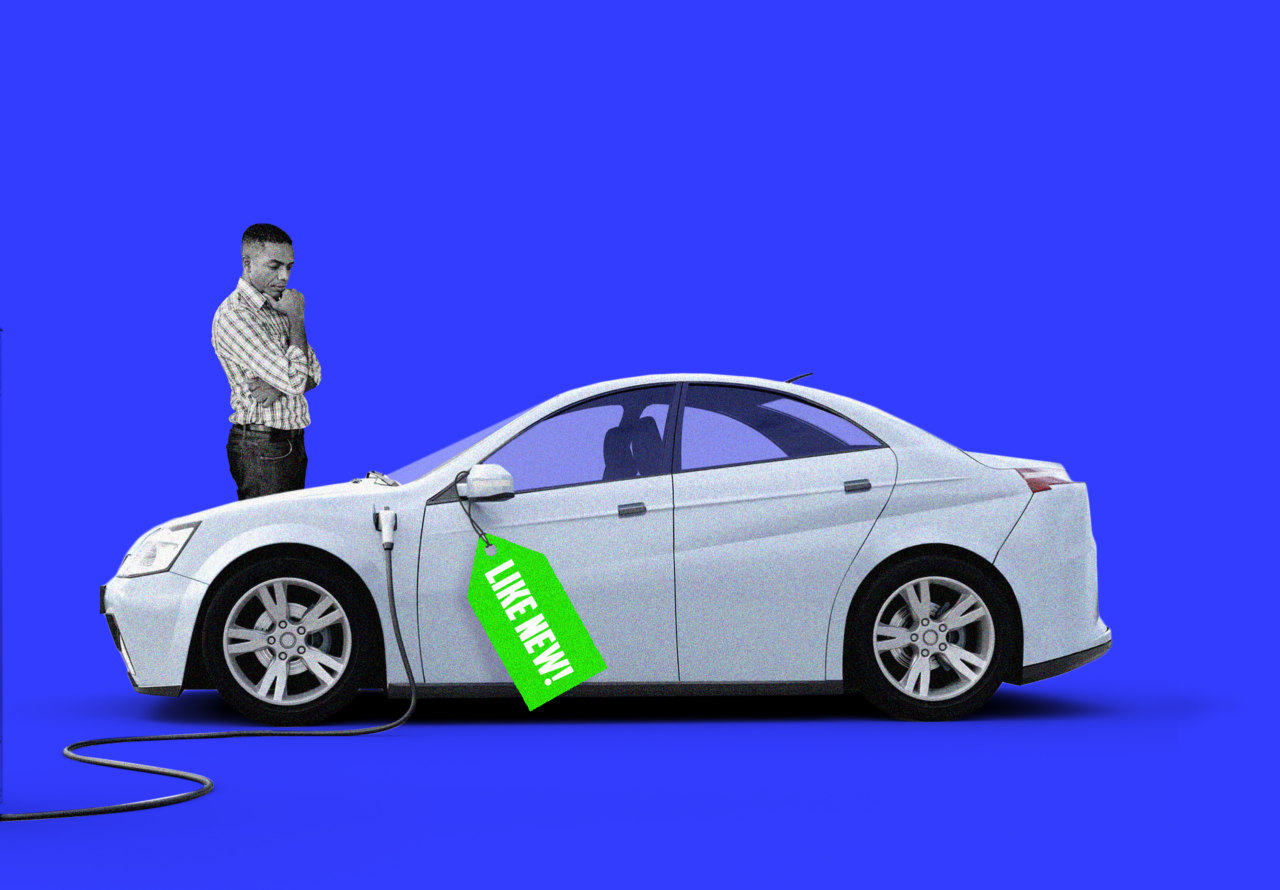
Rising fuel costs are pushing budget-minded drivers to take a closer look at electric vehicles, and many are finding that a used EV can cost less up front than a comparable gas-powered car. The math is not automatic, though. Steep depreciation on many electric models is good news for buyers, but the sticker price is only one part of what you will pay over the years you own the car.
Start with the battery. It is the most expensive component in an electric vehicle, and its health determines how far the car can go on a charge and how well it holds its value. Ask for a battery state-of-health report, which many dealers and independent inspectors can provide, and confirm whether the battery is still covered by the manufacturer's warranty. Many manufacturers guarantee battery capacity for a set number of years or miles, and that coverage often transfers to a second owner.
Next, think about how you will charge. A home charger, or access to one where you park overnight, makes ownership far cheaper than relying on public fast chargers, which often cost more per kilowatt-hour. Compare your local electricity rate with what you currently pay for gasoline over the miles you actually drive. Savings on fuel and routine maintenance add up, but they shrink quickly if most of your charging happens at premium public stations.
Maintenance is usually lighter on an EV, since there is no oil change or traditional transmission service to pay for. Regenerative braking can extend the life of the brake pads, but the extra weight and instant torque can wear tires faster. An older electric car may also need software updates or parts that only the dealer network stocks, so ask which service options are realistic where you live.
Finally, run the numbers before you sign. Add up the purchase price, insurance, charging costs, expected repairs, and the likely resale value, then compare that total with a used gas-powered car of similar size and age. Check whether any state or local incentives still apply to used vehicles, since these programs change often. A checklist like this will not guarantee savings, but it can keep a bargain from becoming an expensive surprise.
Reporting based on an external source.