 Sharespulse
Ten Megadonors Have Poured $1 Billion Into the Midterms
Politics·October 31, 2026
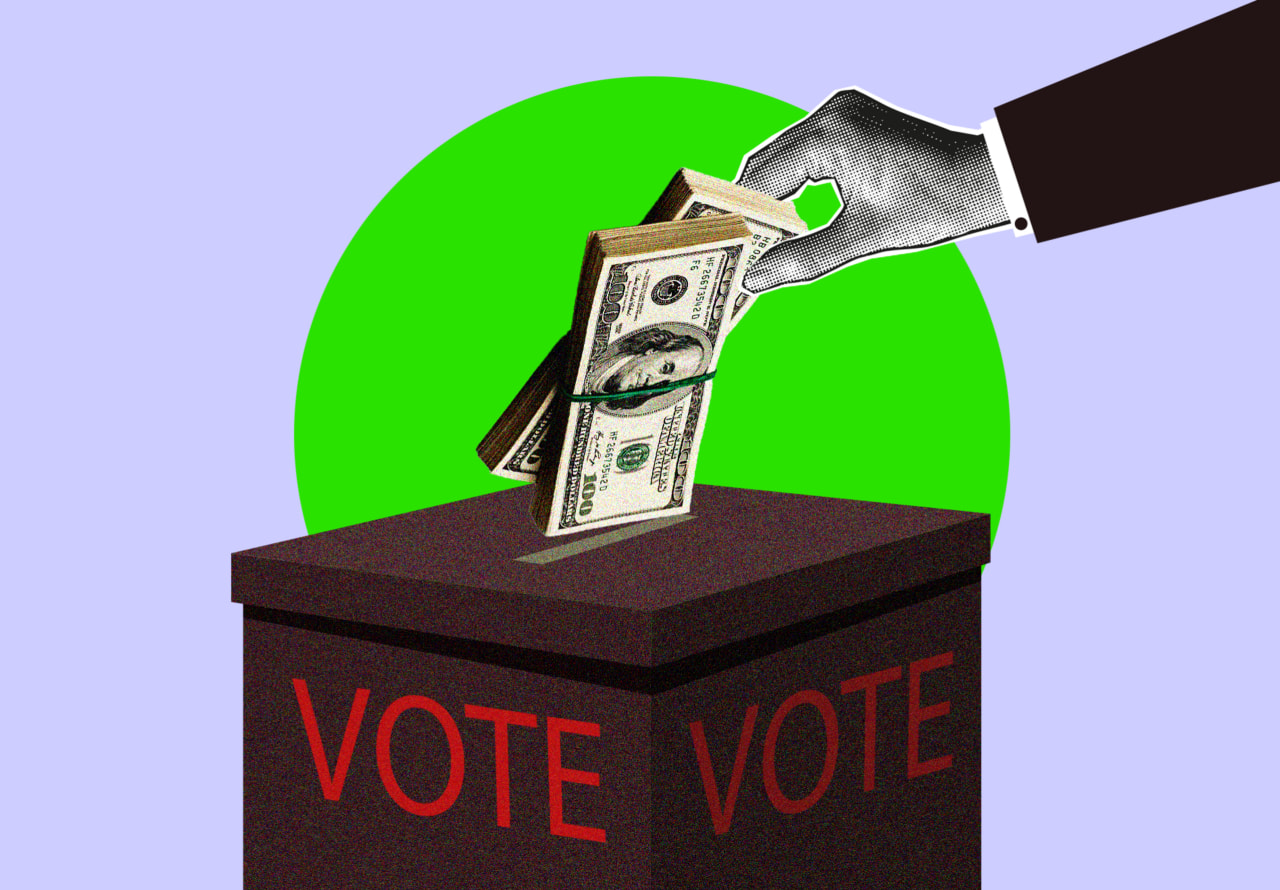
A group of ten very wealthy donors has spent roughly $1 billion on this year's midterm elections, a sum that goes a long way toward explaining why the 2026 cycle is being described as the most expensive election on record. What stands out is less the total than how concentrated it is. A handful of individuals account for an amount that would once have been spread across a much larger pool of contributors.
Money on this scale usually flows through super PACs and other outside groups, which can raise and spend without the contribution limits that apply to candidates and parties. Those groups buy advertising, fund voter outreach and back or attack candidates in both primaries and general elections. Donors do not always appear on the ads themselves, but their giving shows up in campaign finance disclosure filings, which is where reporters and watchdog groups typically trace the money.
Supporters of unlimited outside spending argue that political speech is protected and that well-funded groups help mobilize voters and carry candidates' messages to them. Critics counter that when a few people can outspend the broader electorate, the candidates who rely on their backing may feel more accountable to those donors than to voters. They also argue that the spending arms race raises the cost of running for office for everyone.
The record totals are likely to keep the debate going. If this pace holds, the bar for competitive races will keep climbing, and the influence of a small circle of donors could become a central issue in future fights over campaign finance rules. For voters, one practical step is to look up the disclosure records behind the ads they see, since the names on those filings often tell a clearer story than the messages in the ads.
Reporting based on an external source.