 Sharespulse
Social Security's Deadline Falls Inside the Next Senate Term
Policy·October 31, 2026
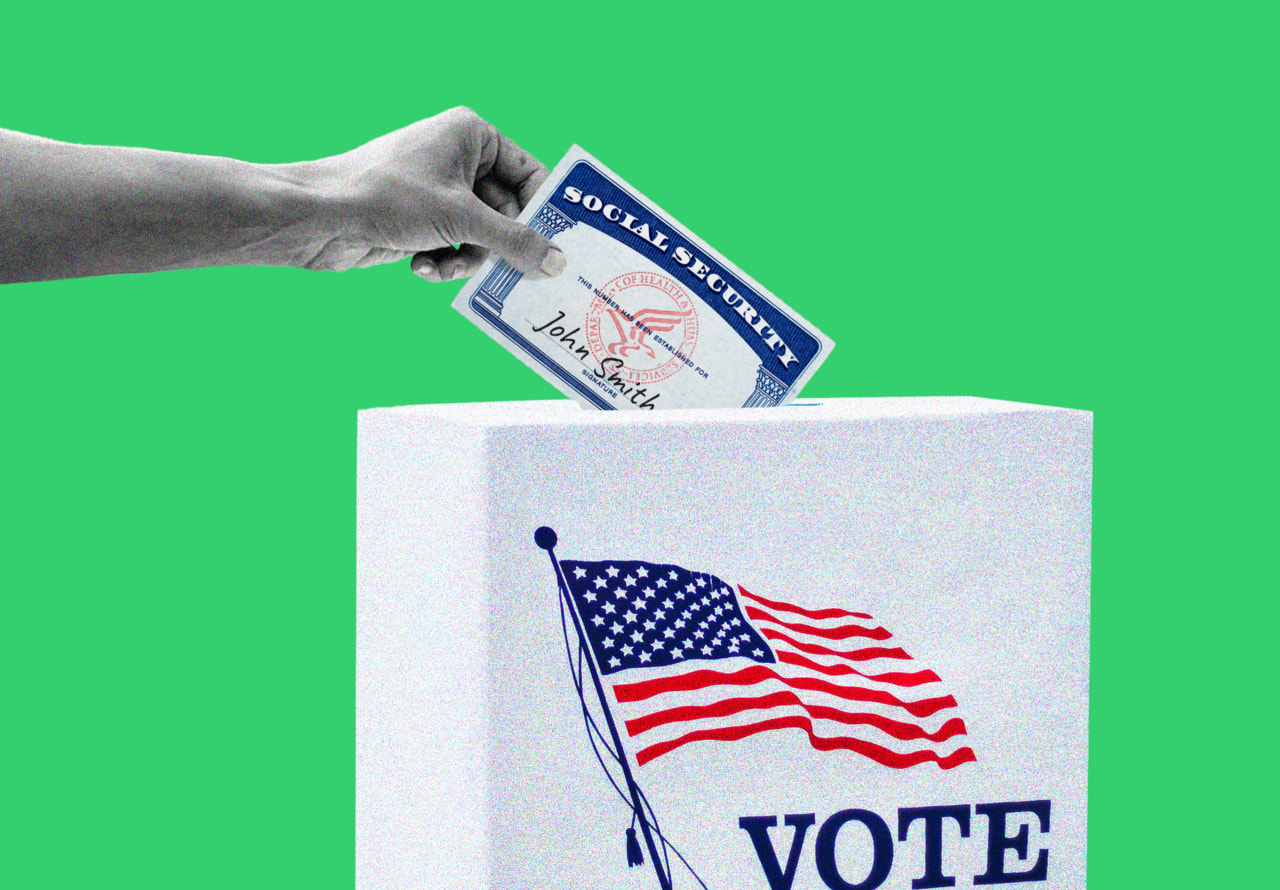
Social Security's financial clock is running, and the people who decide how to address it will be the ones voters choose this fall. Projections show the program's trust fund running out of money in about six years. That is roughly the length of a Senate term, so whoever wins a seat this November could be casting votes right up to the point the money runs short.
The mechanics explain why the timing matters. Benefits are paid mostly from payroll taxes collected from current workers, plus reserves built up over decades. Once those reserves are gone, incoming revenue would cover only part of scheduled benefits unless Congress intervenes. Lawmakers have a familiar menu of options: raising or removing the cap on taxable earnings, adjusting the retirement age, changing how benefits are calculated, or widening the base of contributors. Each option carries a political cost, which is a large part of why the problem has been pushed down the road for so long.
That makes the candidates' positions more than campaign talking points. Some campaigns focus on protecting current benefits and resisting any cuts. Others emphasize structural reform and argue that delay will only make the eventual fix more painful. Voters close to retirement have an immediate stake in the outcome, while younger workers face a longer horizon and are more likely to live with larger adjustments.
The timing also raises a practical question for the next Congress: whether to act early, when changes can be phased in gradually, or wait until a deadline forces a harder choice. Many economists argue that early action spreads the burden more fairly across age groups. Congress has historically moved most decisively when a shortfall was close, as it did with the 1983 amendments, which means the window for a gentler approach may be narrower than it looks.
For individual workers, the near-term picture is one of uncertainty rather than immediate change. Nothing is likely to shift overnight, and any fix passed by lawmakers would probably come with phase-in periods. Still, reviewing your earnings record and your projected benefit statement through the Social Security Administration's online account is a useful step while the debate plays out.
Reporting based on an external source.