 Sharespulse
Prostate Screening Now Starts at 45 for High-Risk Men, 50 for Most Others
Health·November 13, 2026
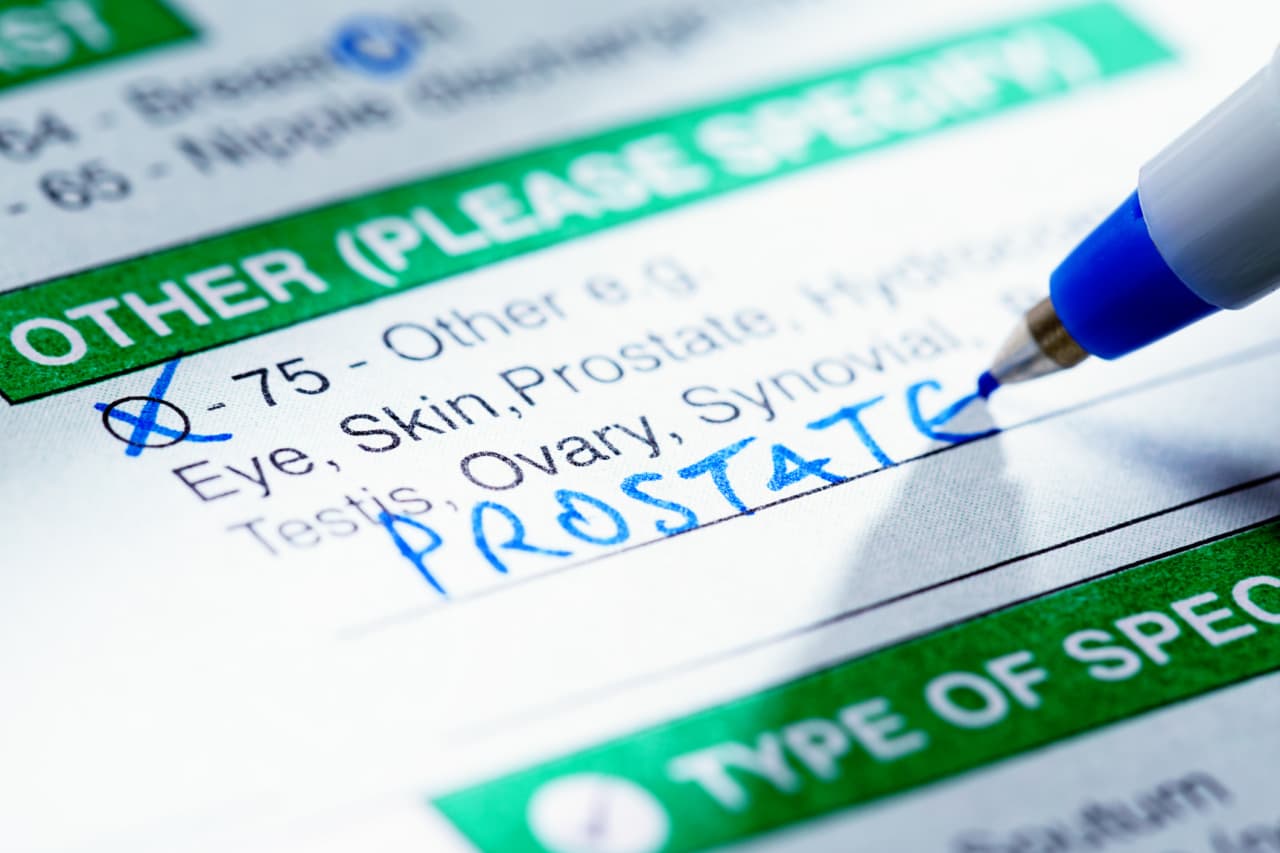
The American Cancer Society has updated its prostate cancer screening guidance, and the headline change is a set of clearer starting ages. Most men should now receive their first prostate-specific antigen (PSA) test at 50. Men considered to be at higher risk should begin the conversation earlier, at 45.
The earlier threshold applies most directly to Black men, who are singled out in the guidance along with other men judged to have elevated risk. For those patients, waiting until 50 could mean several years in which a cancer goes unchecked. Starting at 45 gives doctors a chance to track changes sooner and to act if something looks wrong.
The PSA test is a blood test that measures a protein made by the prostate. A raised level can point to cancer, but it can also reflect benign conditions such as an enlarged prostate or an infection. That is why a result is usually the start of a discussion with a physician rather than a diagnosis. Screening is generally a shared decision, in which a doctor weighs the possible benefits against risks such as false alarms, anxiety, and follow-up procedures like biopsies.
For most readers, the practical step is straightforward. Men who are 50 or older and not considered high risk should ask their doctor whether a PSA test makes sense for them. Men who are Black or who have other risk factors should bring up screening at 45 rather than waiting for the older age. Anyone unsure where they fall should raise family history and other personal risks at their next checkup.
The update also means primary care offices are likely to field these questions earlier and more often. Patients who have been putting off the conversation now have a clearer marker for when to start it.
Reporting based on an external source.