 Sharespulse
Paxton Argues Tax Cuts Will Eventually Reach Social Security and Medicare
Opinion·October 11, 2026
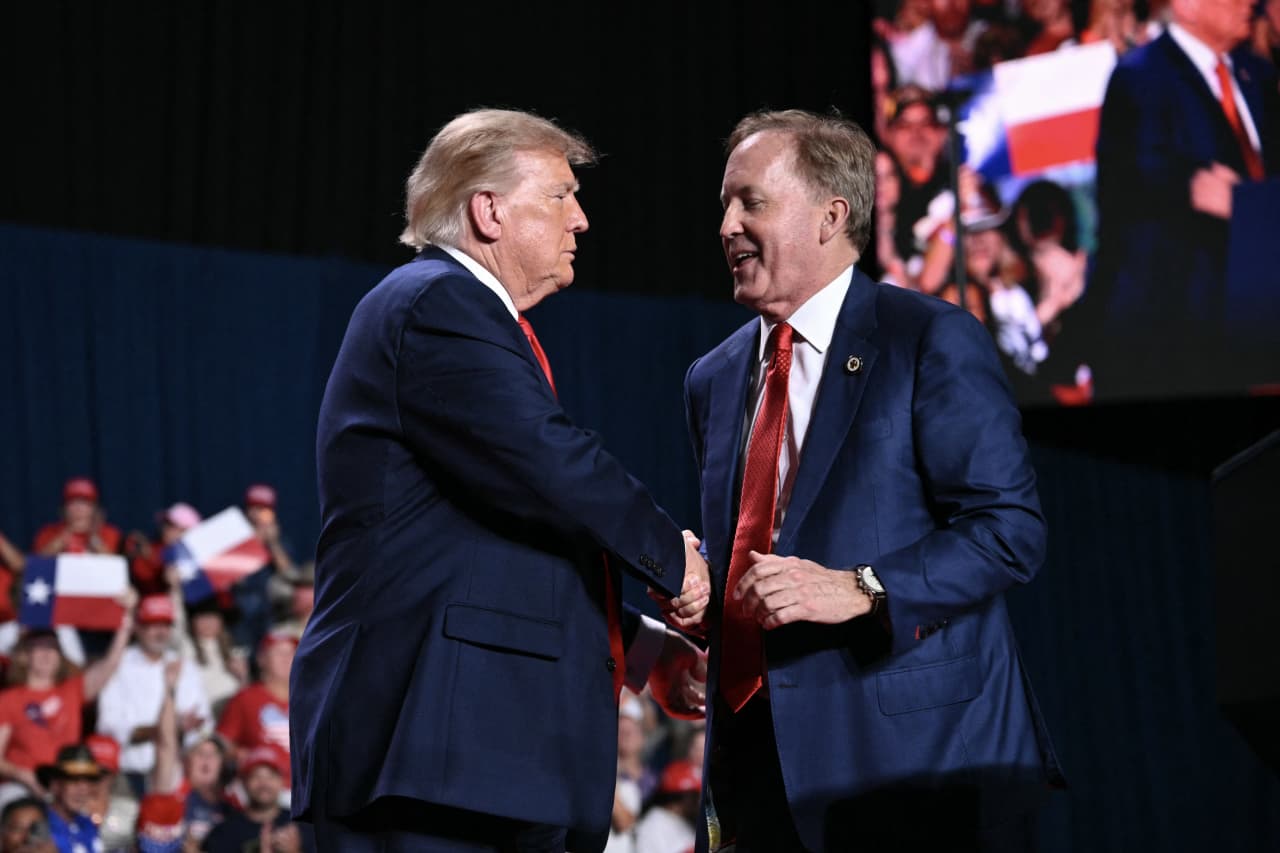
Texas Attorney General Ken Paxton is making a blunt claim: lower taxes will lead to cuts in Social Security and Medicare. In a recent commentary, he argues the point has nothing to do with party affiliation and everything to do with arithmetic. When the government collects less revenue but keeps paying for programs that tens of millions of Americans rely on, something eventually has to give.
The core of his argument is about the federal budget. Social Security and Medicare are among the largest and fastest-growing parts of federal spending, driven by an aging population. If tax cuts widen the gap between what Washington takes in and what it pays out, Paxton's reasoning goes, the shortfall will show up later as pressure to trim benefits, raise eligibility ages, or change how payments are calculated.
The connection is less direct than the commentary's framing suggests, and economists do not all read it the same way. Social Security is funded mainly through payroll taxes, not income taxes, and its trust fund is legally separate from the general budget. Medicare's hospital insurance trust fund is also financed largely by payroll taxes. Lowering income tax rates does not automatically reduce the money flowing into either fund. The more common argument among budget analysts is that deficits add to the national debt, rising interest costs squeeze other spending, and lawmakers looking for savings tend to turn to entitlement programs.
Supporters of tax cuts push back on that chain of reasoning. They argue that faster economic growth can widen the tax base and bring in more revenue over time, and that the long-term problem is spending growth, not the tax rate itself. Both sides broadly agree that the trust funds face long-run shortfalls that Congress will have to address. Where they split is on cause and timing, and projections for when the funds could be depleted shift from one annual report to the next.
Part of what gives the argument its pull is that it cuts across the usual lines. Whether someone prefers lower taxes or a larger safety net, the budget has to balance in some form. Paxton's point is that this trade-off cannot be wished away. For voters, the more useful question may be less about whether taxes go down and more about how Congress plans to cover the gap, and whether those plans will be spelled out before the trust funds get close to running dry.
Reporting based on an external source.