 Sharespulse
Pack Ripping Is a $2 Billion Business, and Analysts Are Uneasy
Collectibles·November 13, 2026
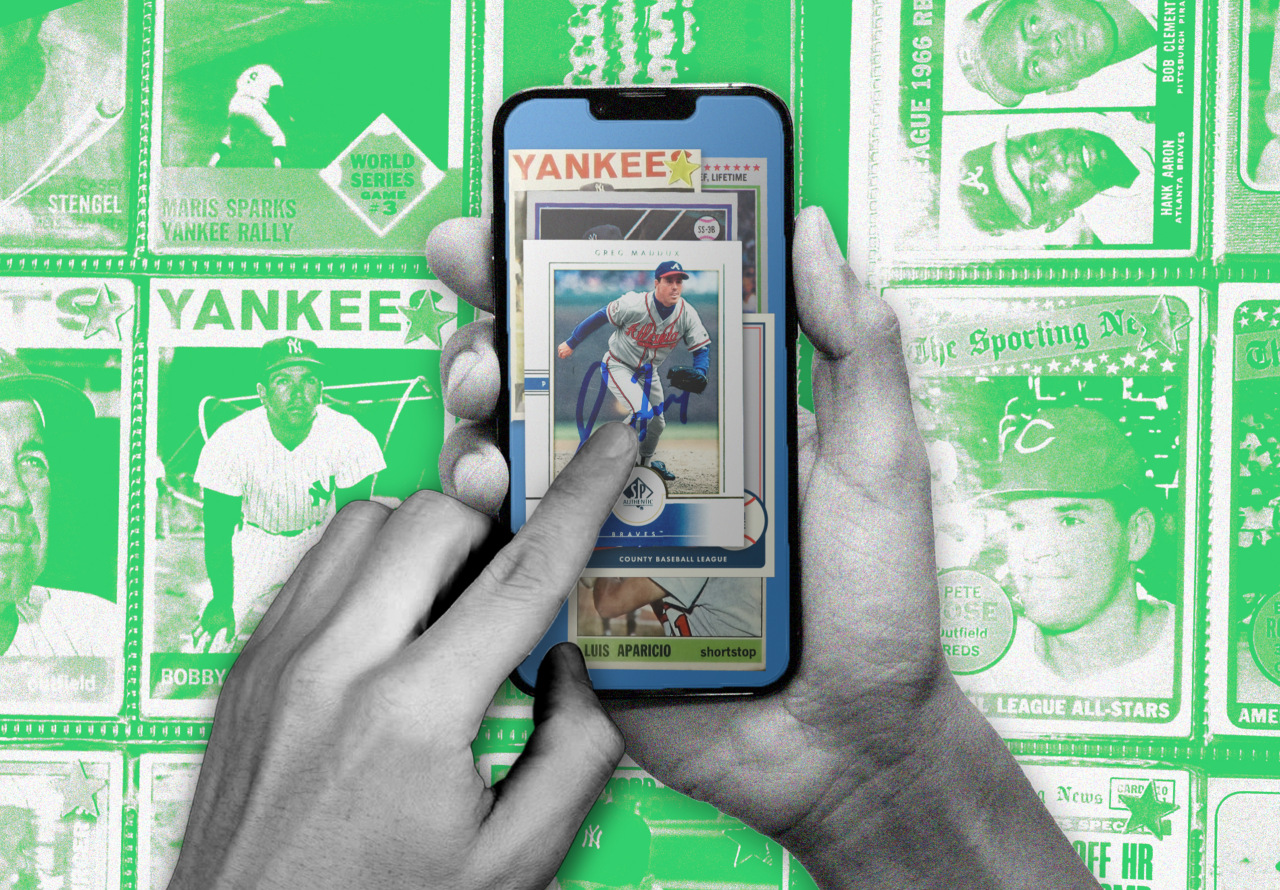
Opening sealed packs of trading cards used to be a hobby that played out at local shops and card shows. Now it is a market valued at about $2 billion, and pack-ripping apps are a big reason why. They are changing how people buy and sell cards, shortening the distance between opening a pack and listing a card for resale.
The appeal is easy to understand. Every pack is a small surprise, with the chance of a rare card that might be worth more than what the buyer paid. That moment of anticipation is much of the product. But analysts describe the payoff as "slot-like," meaning rewards arrive unpredictably and at irregular intervals. That is the same mechanism that keeps people pulling a lever on a casino machine, and repeated unpredictable wins can keep spending going even when the odds are unfavorable to the buyer.
The comparison matters for a few reasons. In a traditional collectibles market, prices reflect how scarce an item is and how much collectors want it. Pack-opening products can leave buyers guessing about how likely a top card is to appear, and what they pull depends on resale prices that can shift quickly. Someone who opens a pack hoping for a jackpot may end up holding cards worth less than the price they paid.
The source material does not spell out how regulators view these products, but the slot comparison alone is enough to make the category worth watching closely. Other products built around chance have drawn scrutiny before, and the same questions could follow this one.
For buyers, the practical advice is straightforward. Look for published odds where they exist, treat the resale value of any pull as uncertain, and set a spending limit before opening the first pack. For the companies involved, the open question is whether the excitement can keep growing without drawing the kind of attention that has followed other games of chance.
Reporting based on an external source.