 Sharespulse
Nvidia's Huang Crisis Tests How Much of AI Rests on One Executive
AI·November 12, 2026
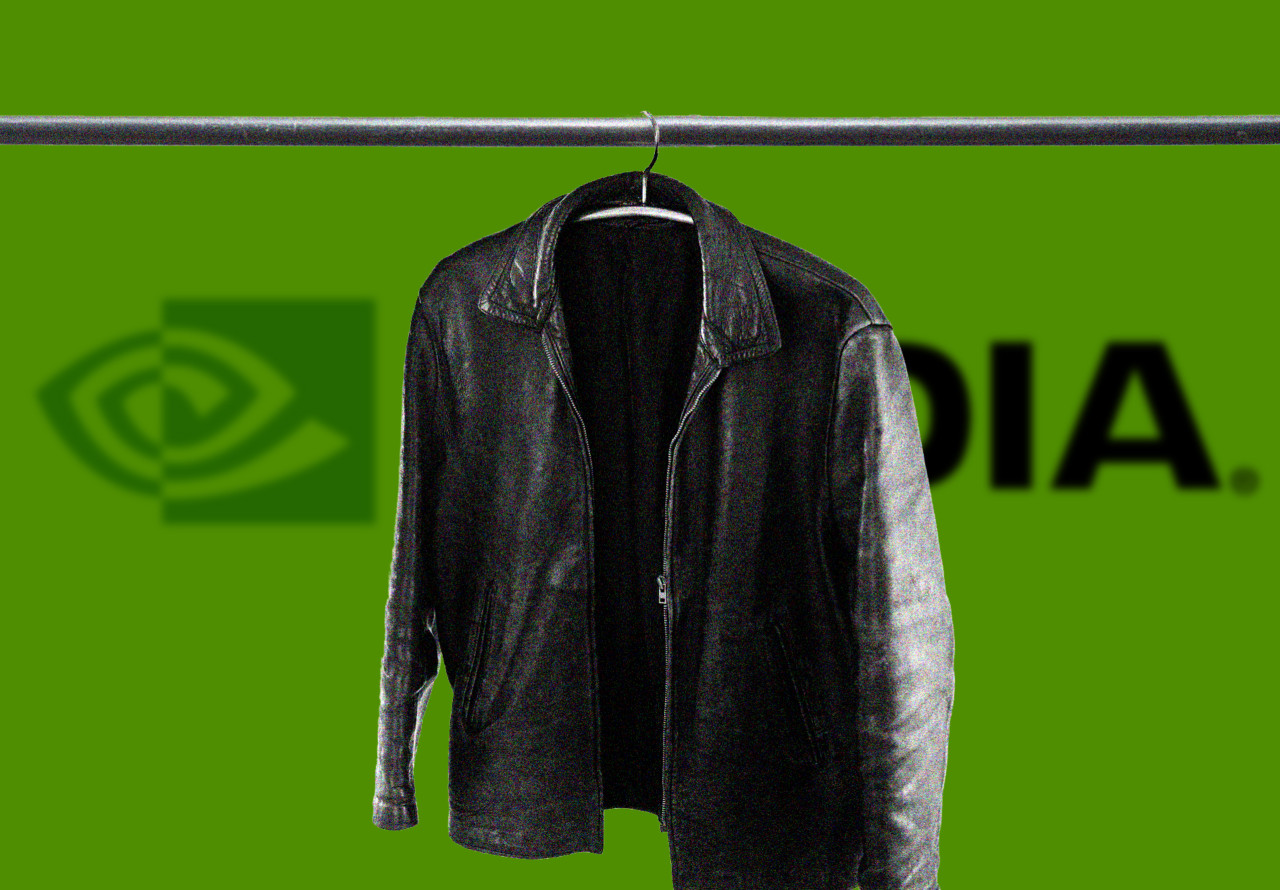
Nvidia has become the central supplier of the AI boom, and for years its chief executive, Jensen Huang, has been the public face of that dominance. A crisis surrounding his position now puts a pointed question to the wider industry: how much of it depends on one person?
The answer reaches well beyond Nvidia's own org chart. A large share of AI business runs on personal trust as much as on contracts. Chipmakers, cloud providers, model developers and data center builders coordinate roadmaps, allocate scarce hardware and commit to multiyear spending based on relationships that were built around Huang's leadership and his promises about what comes next. If that leadership changes, those ties could loosen, and partners may start re-checking assumptions they had treated as settled.
For investors, the core issue is continuity. Nvidia's valuation reflects not only current chip sales but the belief that its strategy, software ecosystem and customer relationships will hold steady over the next several years. Uncertainty about who runs the company, and how quickly, can ripple through the share price and through the many businesses that buy its products or build on its platform.
Details of the situation are still developing, and the key questions remain open: who would steer the company, how the succession would be handled, and whether customers and suppliers see any change in their own commitments. What the episode already shows is how concentrated the AI economy has become. A small number of companies, and in some cases a handful of individuals, sit at the center of hardware supply, capital and demand. Whether the industry can absorb a leadership shock without its alliances fraying will say a good deal about how durable that structure really is.
Reporting based on an external source.