 Sharespulse
Midterms Could Decide Social Security's Fate, Whatever Your Age
Policy·October 30, 2026
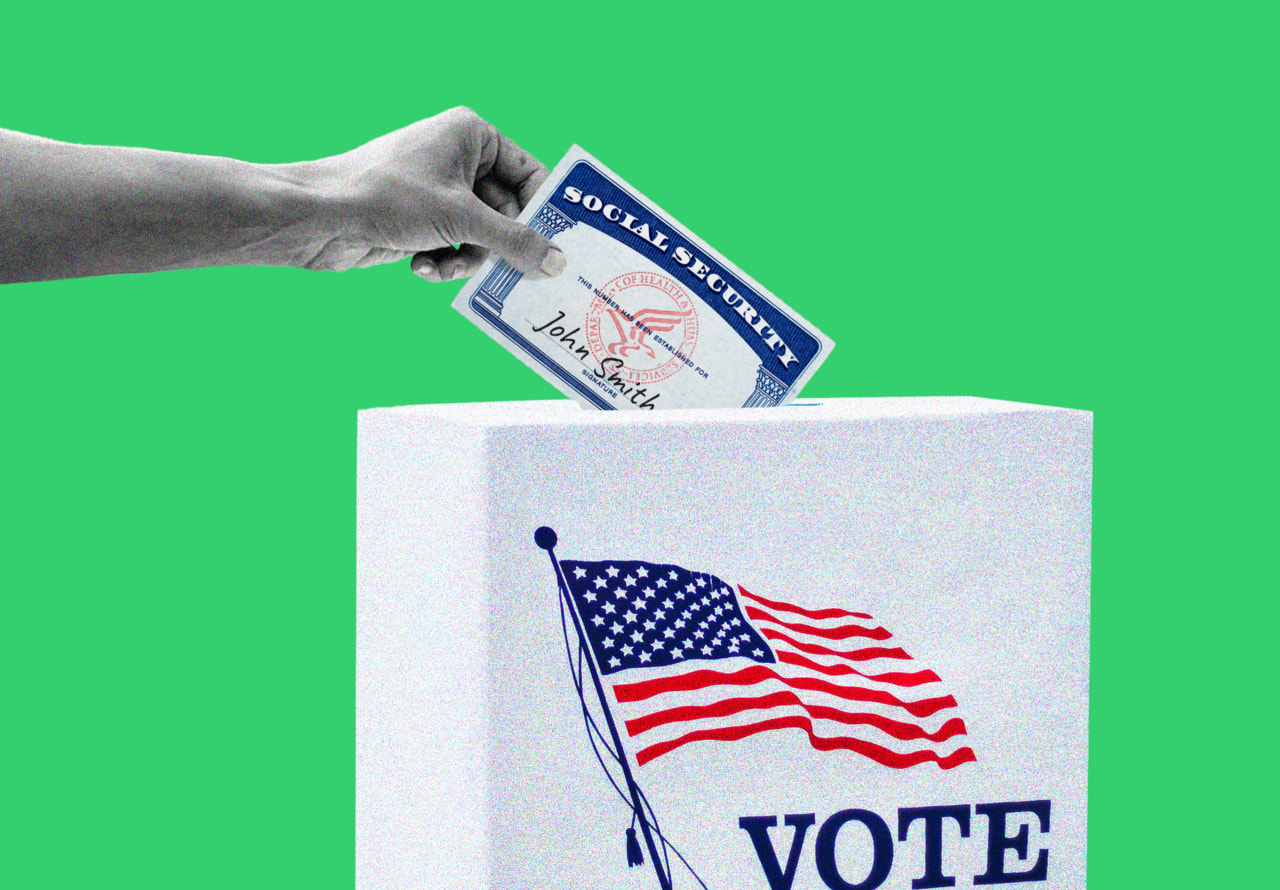
Social Security is a program nearly every American will rely on at some point, and its financial timeline now lines up neatly with the political calendar. The program is expected to run out of money within the next six years, which is the same amount of time a senator serves in office. That overlap has made the coming midterm elections a test not only for retirees and people close to retirement, but for everyone paying into the system today.
The underlying problem is not new. Benefits are paid mainly from payroll taxes collected from current workers, with trust fund reserves covering any shortfall. As the population ages and the ratio of workers to retirees falls, those reserves keep shrinking. Once the trust fund is exhausted, incoming taxes would cover only part of scheduled benefits, meaning an automatic reduction unless Congress acts first.
Younger voters may wonder why this should concern them when they are decades away from collecting. The answer is that the longer lawmakers wait, the fewer options remain. Changes made early can be phased in gradually and spread across many years, giving workers and retirees time to adjust. Delay tends to narrow the choices and make any fix more abrupt, and the burden of a late solution often falls hardest on people who are still early in their careers.
The menu of possible fixes is familiar. Lawmakers could raise or remove the cap on earnings subject to the payroll tax, change the age at which full benefits begin, adjust how benefits are calculated, or send general revenue into the program. Each option carries political costs, which helps explain why the issue has been sidestepped in campaigns for years. Candidates who discuss specifics risk being accused of planning cuts, while those who stay vague risk being blamed for inaction later.
For voters, the practical point is that Social Security is no longer a distant problem for some future Congress. Whoever wins seats this fall will likely face the decision directly, and the outcome will determine whether it comes with time to plan or under pressure. Asking candidates where they stand on the trust fund, and requiring concrete answers about tradeoffs, may be the most useful step a voter can take before the ballot.
Reporting based on an external source.