 Sharespulse
Midterm Votes Could Shape Your Gas Prices and Tax Bill
Personal Finance·October 26, 2026
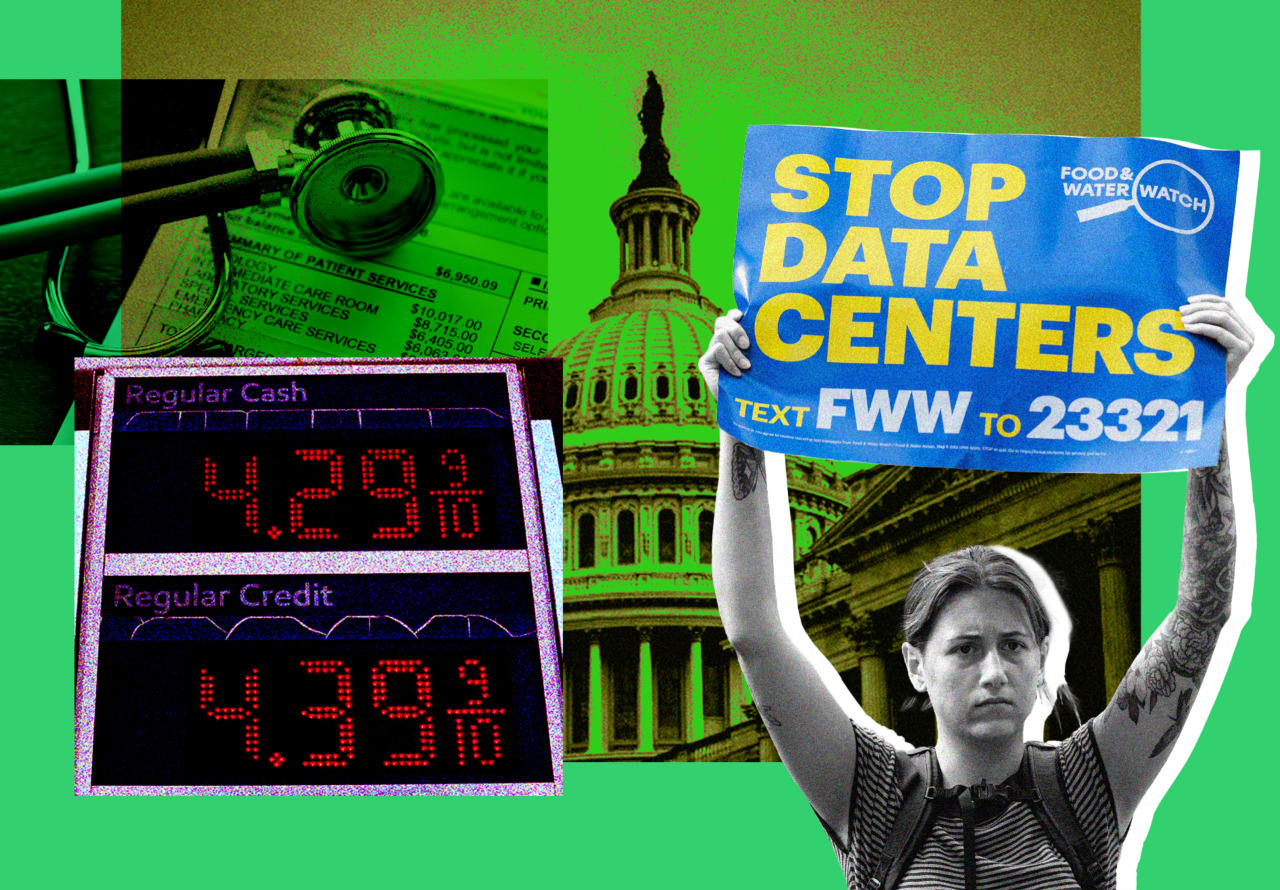
Americans will not be choosing a president on Nov. 3, but the midterm elections still carry real consequences for household budgets. Every seat in the House of Representatives is up for election, along with about a third of the Senate, dozens of governorships and a long list of state and local measures. Which party controls those chambers and statehouses shapes the laws that determine what people pay at the pump, what they owe in taxes and how much the basics cost.
Fuel prices are one of the most visible links. Congress influences energy costs through spending, permitting rules and oversight of federal agencies, and a shift in control can change the direction of those decisions. At the state level, legislatures and sometimes voters set gas tax rates, which vary widely across the country and can change with a single vote.
Taxes are another direct route. The House and Senate write federal tax law, and the balance of power determines which proposals get a floor vote and which stall. Governors and state lawmakers set income, sales and property tax rules, and ballot measures can lock in or repeal those rules without any legislative action. Voters who focus only on the top of the ticket may miss these decisions, even though they affect a paycheck or a property bill directly.
The practical takeaway is to look past the headline races. Check which candidates and measures appear on your own ballot, read the summaries of local propositions, and consider how the outcome in your state could affect the costs you deal with most often. Midterms rarely feel as dramatic as presidential contests, but their results tend to take effect quickly in the places people feel most.
Reporting based on an external source.