 Sharespulse
Keep Jensen Huang at Nvidia, but Retire the One-Man Show
Governance·November 11, 2026
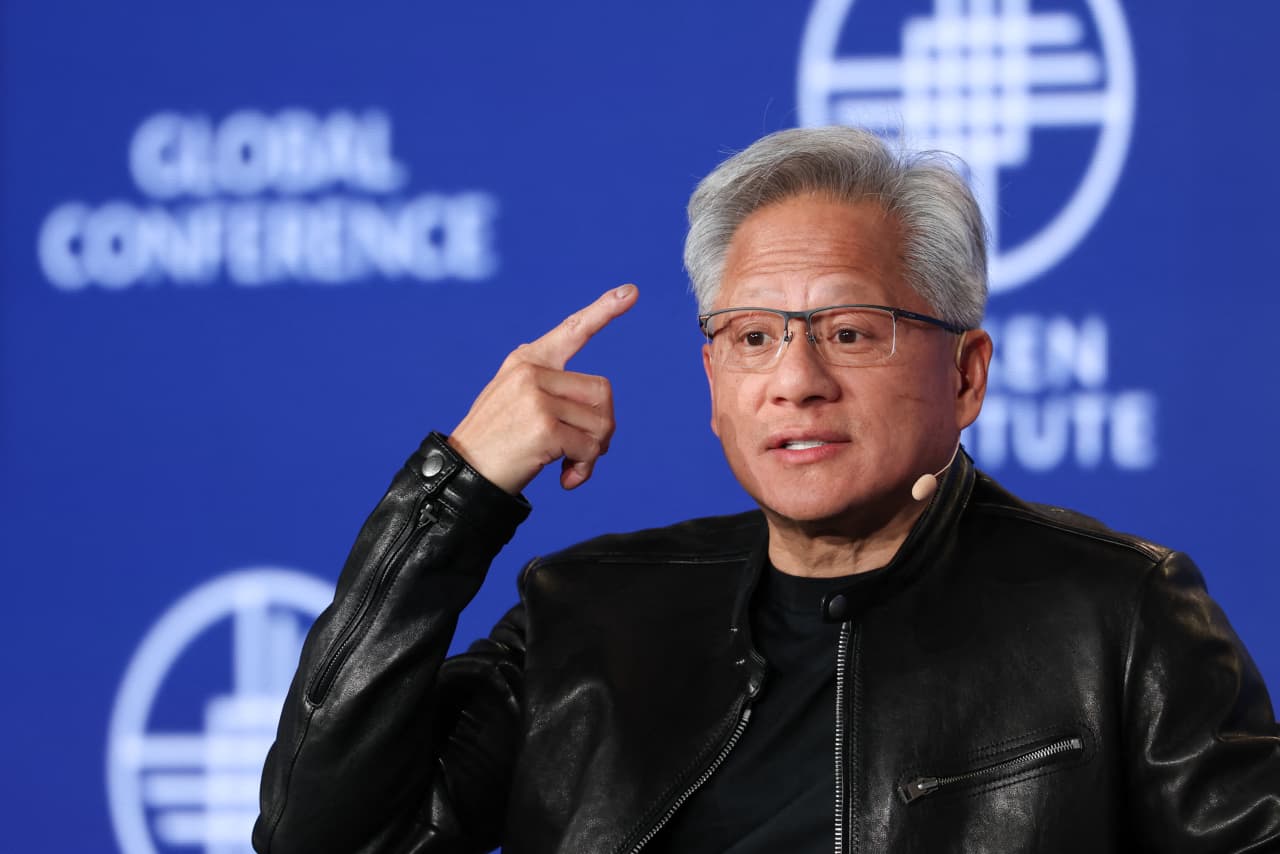
Nvidia cannot afford to lose Jensen Huang, and the argument for keeping him in place is easy to make. He co-founded the company in 1993 and has steered it from gaming graphics chips to the processors that now power much of the AI boom. Few chief executives are so closely tied to a company's identity, strategy and customer relationships, and investors have long treated his continued leadership as a reason to own the stock.
That closeness is also the problem. When so much of a company's direction, deal-making and public confidence runs through one person, the business is exposed to key-person risk. An illness, an unexpected departure or a serious disagreement at the top could ripple well beyond the company's share price. Nvidia's products have become critical infrastructure for data centers and AI developers, so the consequences of a leadership gap would not stay inside the company.
The fix is governance, not a demotion. A board with independent directors who can challenge management and ask hard questions about strategy, risk and succession would make the company sturdier. So would a documented succession plan that names internal candidates and lets them build visible responsibility before anyone needs them. Decision-making should also be spread across a deeper bench of senior executives who can speak for the company to customers, regulators and investors. Well-run companies treat succession planning as ordinary management work, not a vote of no confidence in the founder.
The timing matters. As Nvidia grows larger and its chips become more central to the global technology economy, governments, customers and shareholders will expect it to behave like an institution rather than an extension of one executive. Disclosure, oversight and accountability standards tend to rise with a company's influence, and a leadership structure built around a single personality becomes harder to defend under that scrutiny.
The sensible conclusion is that Huang should stay, and that Nvidia should use his tenure to build the structures that would let the company carry on without him. Keeping its CEO is the right call for now. Proving that the company could thrive without him is the sign of a mature business.
Reporting based on an external source.