 Sharespulse
Jensen Huang Built Nvidia Into an AI Giant. A Scandal Could Test How Much It Depends on Him
AI·November 12, 2026
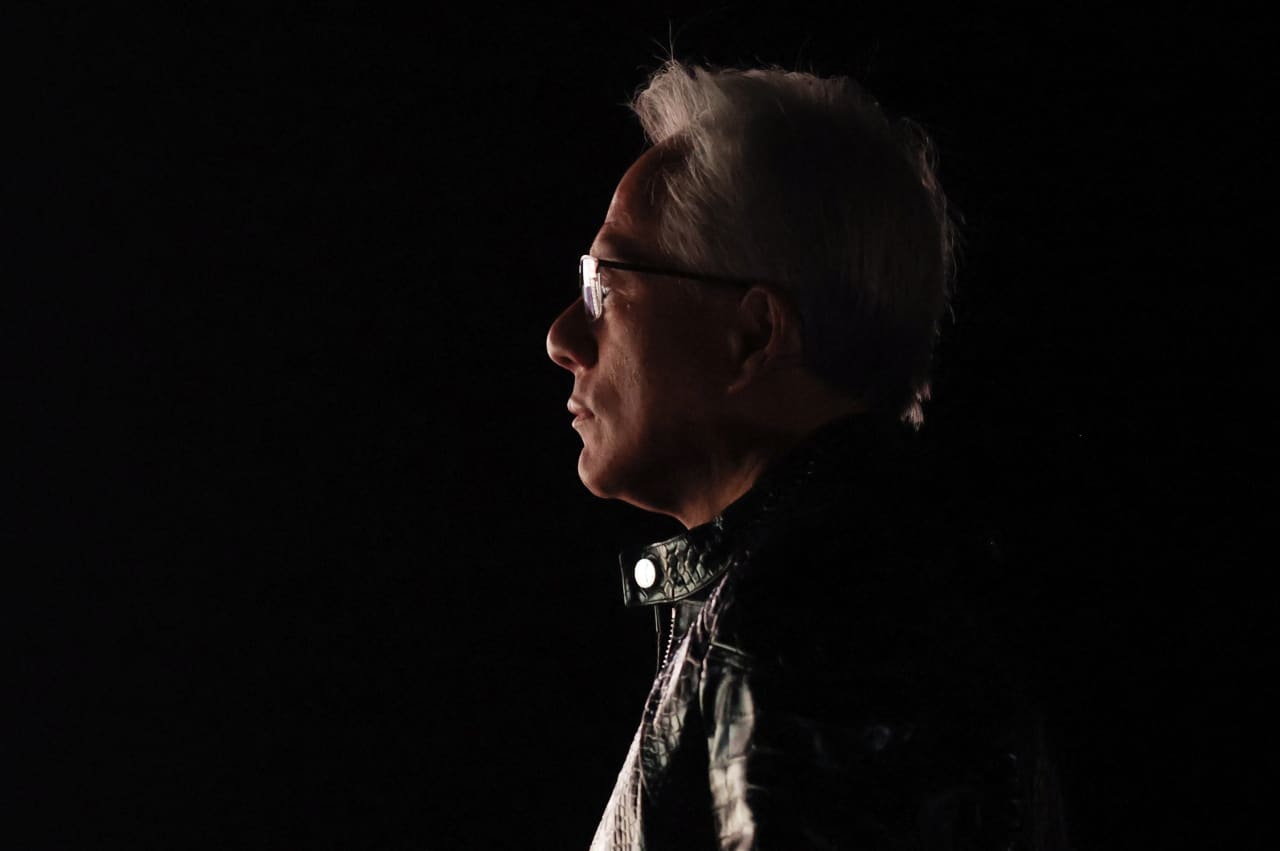
Few executives have shaped an industry the way Jensen Huang has shaped artificial intelligence. Over roughly three decades he steered Nvidia from a maker of graphics chips for gamers into the supplier much of the world's AI computing now runs on. That rise rested on more than hardware. Huang pushed out ever more powerful chips, and he built a web of financing arrangements that tied Nvidia closer to the startups, cloud providers and data center builders that depend on it.
Now a scandal surrounding the chief executive has forced investors and customers to ask a question that was easy to ignore during the boom: how much of the AI buildout rests on one person?
The concern is less about Nvidia's current products than about the relationships around them. Huang has been known for personally cultivating customers and partners and for making fast bets that others would have hesitated over. When a company's strategy is that closely tied to one person's judgment and reputation, a shock to that person can ripple outward. It can affect how deals are negotiated, how suppliers are coordinated and how confident the market feels about the next round of spending.
Supply chains that run through a single company are also exposed. Nvidia's chips depend on contract manufacturers, memory makers and data center operators, and many of those partners have made long-term commitments based on its product roadmap. A leadership disruption would not halt production overnight, but it could slow decisions, unsettle partners who have built plans around Nvidia, and give rivals an opening.
Some analysts will argue that the company's depth should cushion any blow. Nvidia has a large engineering bench, a software ecosystem that developers already rely on, and a board that would have to name a successor. Those strengths matter. Still, a leadership change at a company this central to AI would be one of the most closely watched transitions in the technology sector, and markets tend to price uncertainty quickly.
For now, the practical question is whether the scandal stays a governance story or becomes an operational one. Investors should watch for any change in leadership, any effect on large customer contracts and whether the financing arrangements that helped fuel growth draw fresh scrutiny. The risk to the AI boom is unlikely to be a sudden collapse in demand for chips. It is more likely to be the discovery that a system built around one charismatic executive is harder to run without him than anyone assumed.
Reporting based on an external source.