 Sharespulse
Heating Bills Set to Rise 8.3% This Winter, but El Niño Could Offer Relief
Energy·October 12, 2026
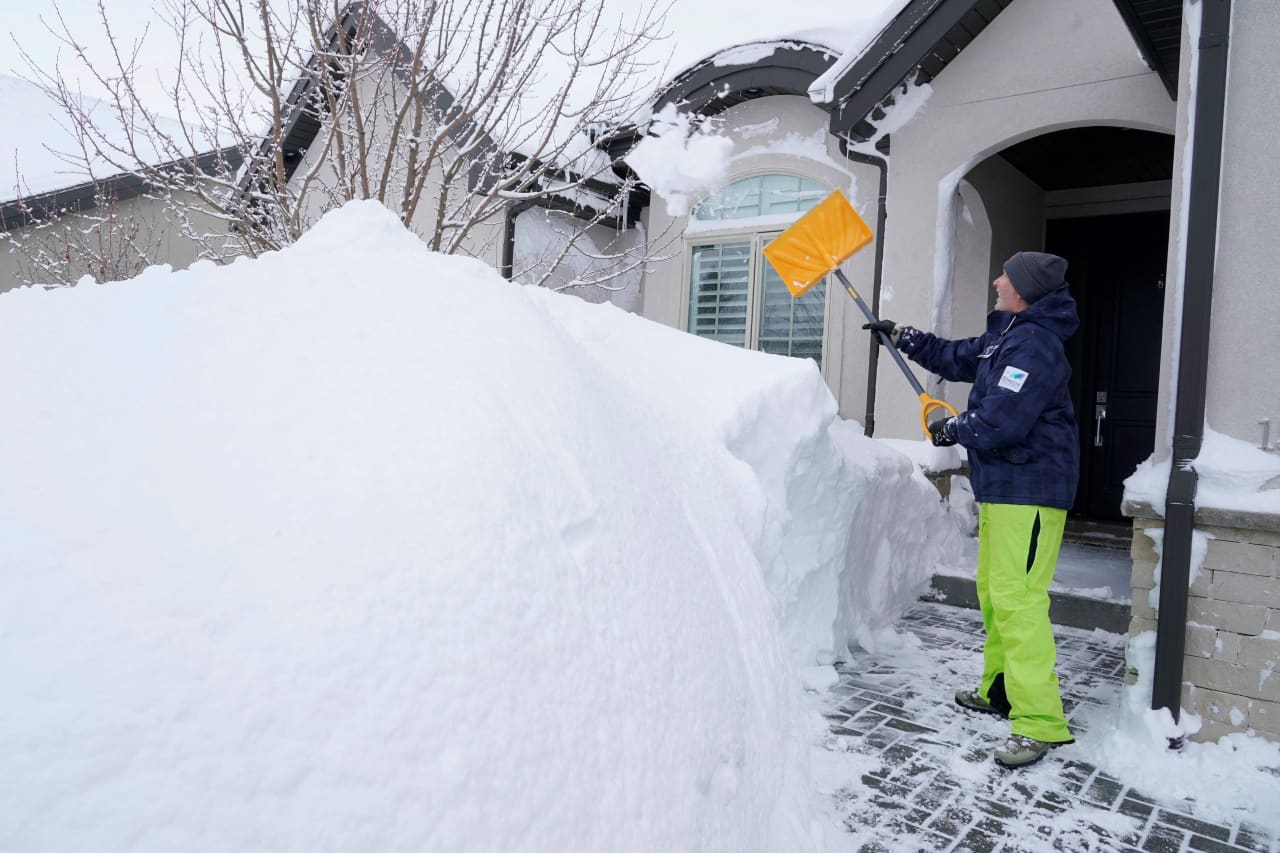
Americans heading into winter should brace for higher heating bills. Projections put winter heating costs about 8.3% above last year's levels, adding to a long stretch of rising utility expenses that has turned monthly energy payments into one of the most painful line items for many households.
The increase hits hardest for families who depend on natural gas, heating oil, or electricity to stay warm, because those costs are among the least flexible in a household budget. When a bill climbs, families often have fewer options than they do with discretionary spending. They can turn the thermostat down, seal drafts, or apply for assistance programs, but they cannot simply skip heat.
Weather is the biggest variable. A stretch of unusually cold days drives demand up, and higher demand pushes prices up with it. That is why attention has turned to El Niño, the periodic warming of waters in the central and eastern Pacific that shifts jet stream patterns across the globe. In the United States, El Niño winters have historically tended to be milder across the northern tier of the country, though the effect is never uniform and differs from one season to the next.
A warmer-than-usual winter could blunt some of the increase by reducing how much fuel households burn. Still, long-range forecasts carry real uncertainty, and a mild season would not automatically lower wholesale prices for gas or power. Energy costs also reflect supply, storage levels, and demand from industrial users, so the weather is only one piece of the picture.
For consumers, the practical takeaway is to plan around the higher projection rather than count on a mild winter. Budgeting for the expected increase, checking for state or local assistance programs, and asking utilities about energy audits or budget billing plans can all help smooth out the cost. Households on fixed-rate contracts may also have more predictability than those on variable plans, which can move with the market.
Reporting based on an external source.