 Sharespulse
Forget the Cloud Charts: Amazon's Warehouses May Show Whether Its AI Pays Off
Markets·October 28, 2026
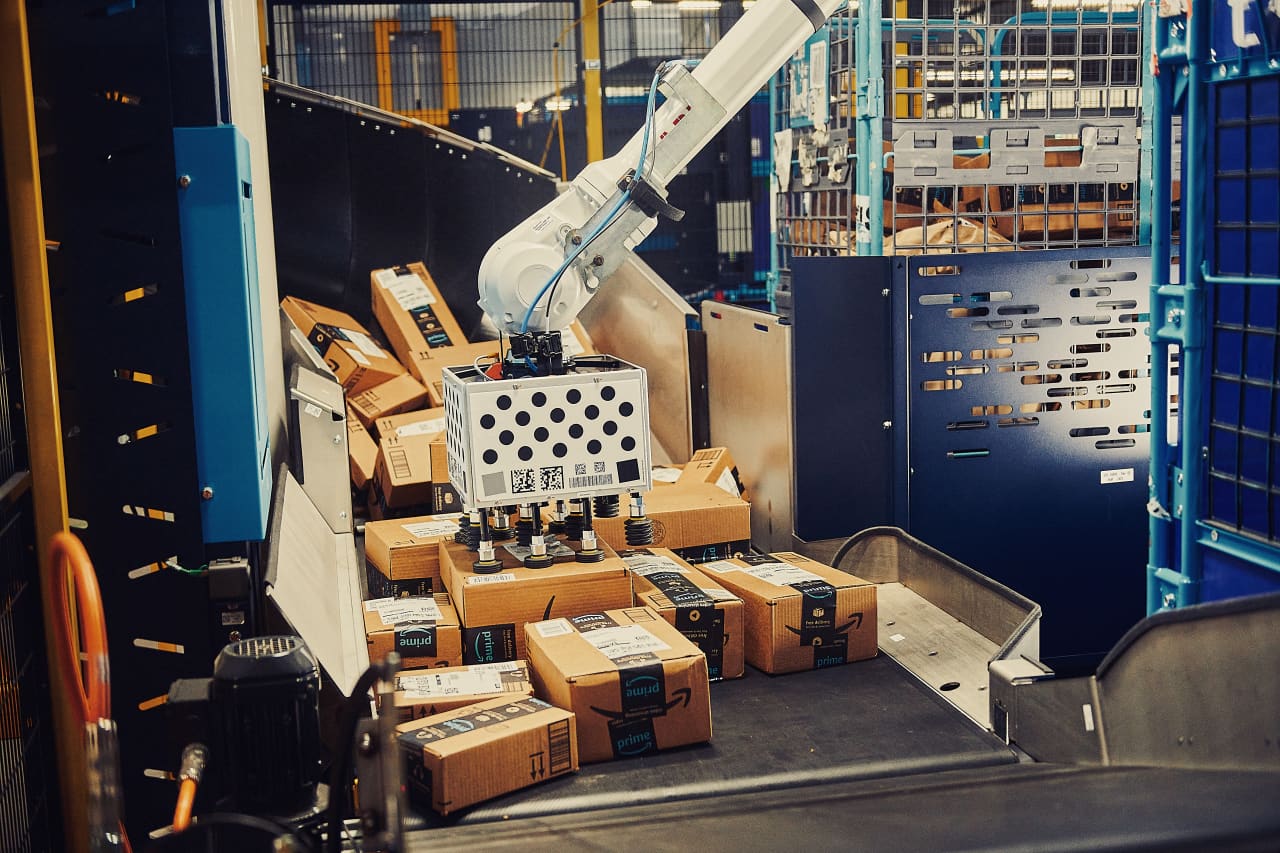
When investors want to judge Amazon's artificial intelligence spending, they usually start with Amazon Web Services. The cloud unit sells computing power and AI tools to other businesses, so its growth and margins look like the natural scorecard. That focus makes sense, but it may also be the wrong place to look first. Cloud revenue depends on how quickly other companies decide to buy AI services, and that timing is hard to predict.
A growing argument says the clearer test sits in the warehouses. Amazon runs one of the largest logistics networks in the world, and it has been adding robotics, machine learning for routing and inventory placement, and automated sorting to that system. If those tools are doing their job, the results should appear in numbers that are hard to dress up: the cost of fulfilling each order, the time it takes a package to move from a building to a customer's door, the rate of misrouted or damaged items, and the amount of labor needed for each unit of volume.
The appeal of this approach is that it measures a return Amazon controls. Cloud sales are partly a bet on customers' budgets and plans. Savings inside the fulfillment network show up directly in the cost line. If AI is lowering what it costs to run the core retail and delivery business, the benefit is already flowing through the company's own books rather than waiting for outside customers to spend.
Still, the warehouse signal has real limits. Lower costs can be handed back to shoppers through price cuts or spent on faster delivery promises, which would shrink the visible gain. Robots and new buildings also require heavy capital outlays that can weigh on free cash flow for a while. And isolating AI's effect is difficult when wages, fuel prices, and shifts in order volume all move at the same time. A single quarter of better margins proves little on its own.
That is why analysts who want a reliable answer tend to look for trends over several reporting periods, comparing cost per order and delivery speed against the investment in automation. The cloud business will remain the easier figure to chart, and it will keep drawing the headlines. But if the question is whether Amazon's AI spending is changing how the company operates day to day, the answer is more likely to appear on the warehouse floor than on a cloud revenue line.
Reporting based on an external source.