 Sharespulse
Fewer Babies, Bigger Budgets: Why Parents Are Paying More for Diapers
Business·October 23, 2026
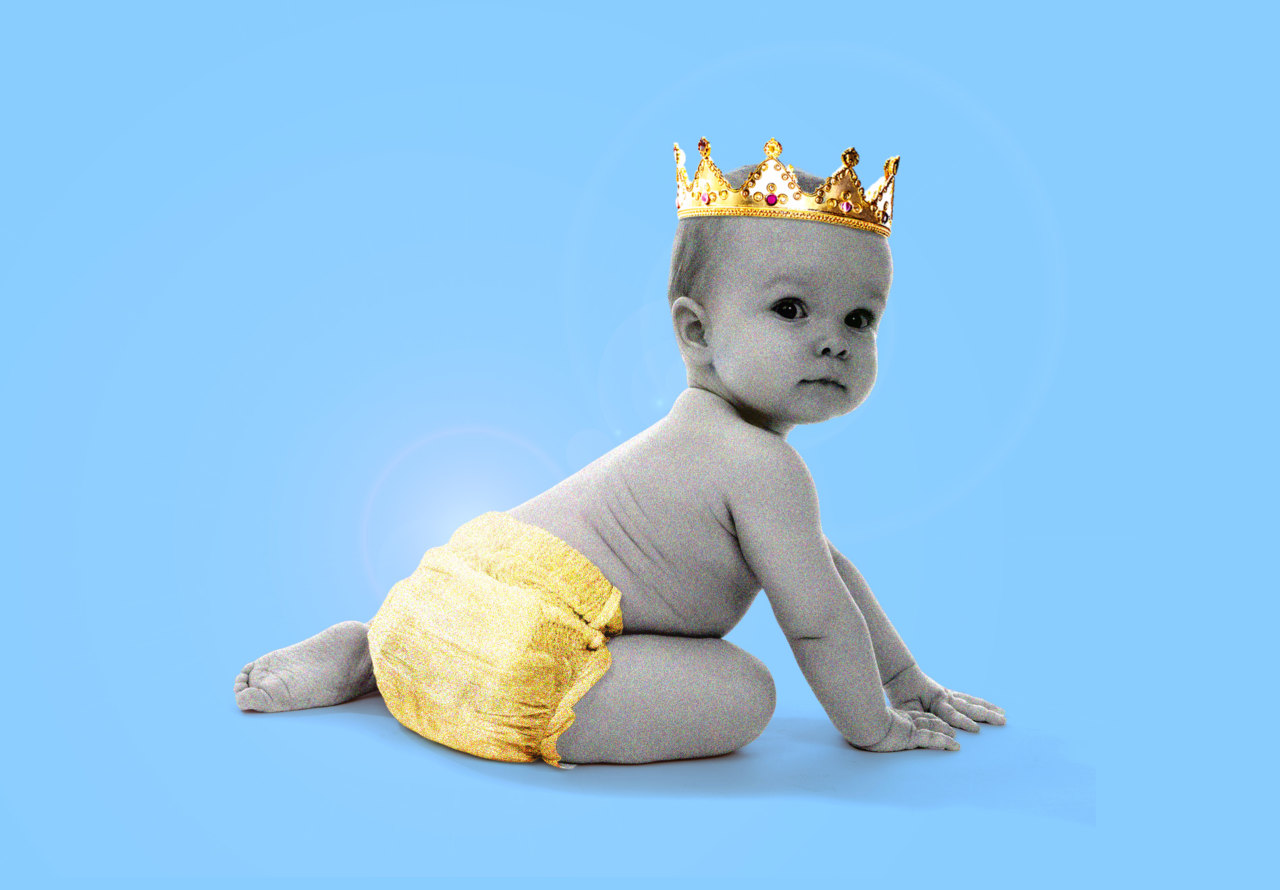
Fewer children per household means more money spent on each one. That is the logic Procter & Gamble's chief financial officer offered as the company weighs the American baby market, and it helps explain why premium diapers are holding up even as the number of births slips.
The basic math is simple. A family with one child instead of three tends to put more of its budget behind that child, from formula and wipes to diapers that promise softer materials, a better fit and fewer leaks. Brands that sell premium lines can benefit from that shift, because parents focused on a single baby are less likely to trade down to store brands.
For P&G, which owns the Pampers brand, the trend cuts both ways. A smaller number of births means a smaller pool of new customers over time, so the company is relying on existing families to keep choosing higher-priced versions. Pricing and product mix, meaning the share of sales that comes from premium lines, matter more than the raw count of babies.
The comments also point to a change in how the category sells itself. Diapers have long been treated as a commodity purchase, but the pitch is moving toward comfort, skin care and design. Whether that holds will depend on whether households keep spending at the same level when budgets tighten, the kind of question investors are likely to press on in the company's upcoming results.
Reporting based on an external source.