 Sharespulse
Fasting Can Cut Calories, but It Is Not the Effortless Shortcut Influencers Describe
Health·October 16, 2026
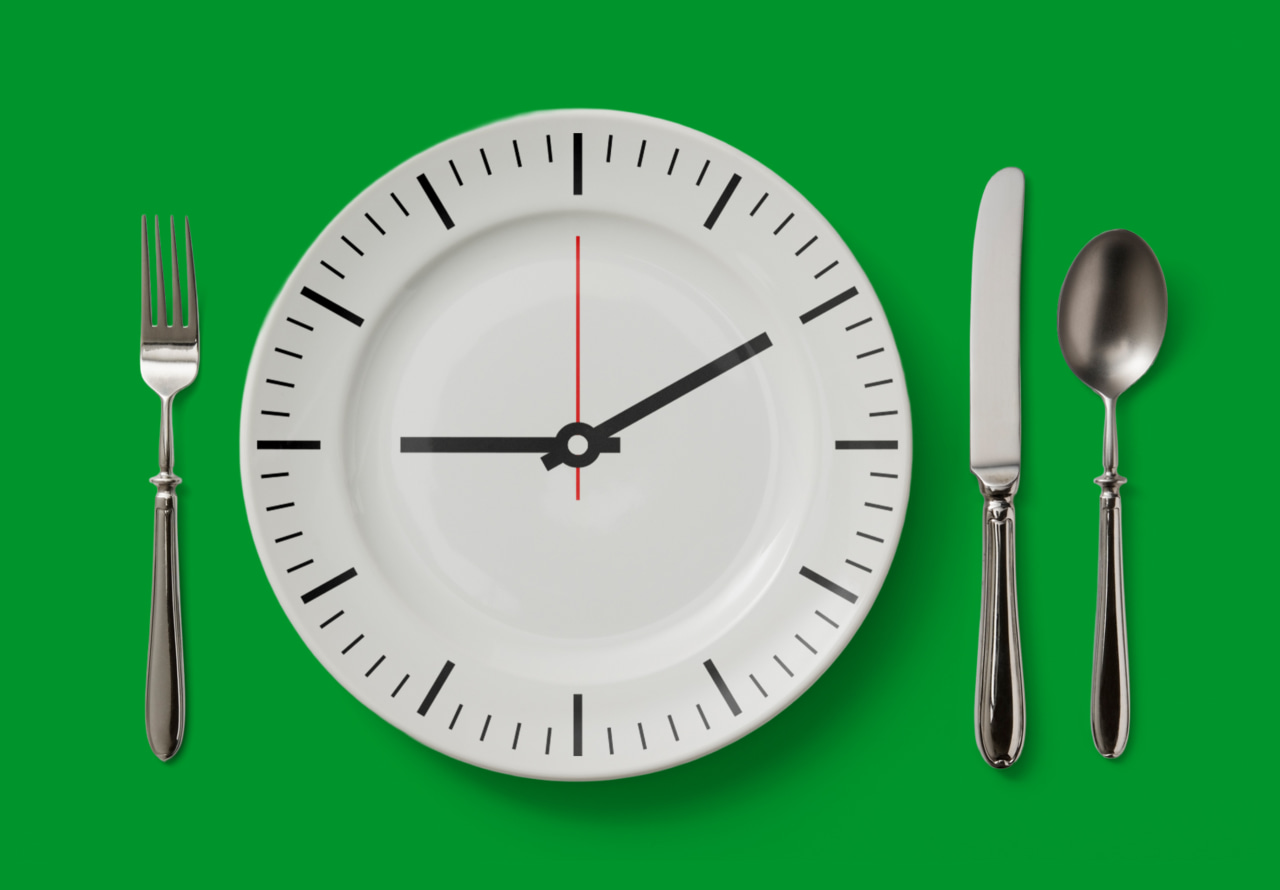
Fasting has become one of the most promoted habits in wellness circles, with influencers and self-described biohackers presenting skipped meals as a near-effortless route to weight loss, sharper focus and a longer life. The appeal is easy to see. Many people would like a plan that does not involve counting every bite. The research, however, is considerably more measured than the social media posts suggest.
The clearest benefit is also the least exciting one: fewer calories. When people confine eating to a window of several hours, many end up consuming less overall, and that reduction accounts for most of any weight loss. Several randomized trials comparing time-restricted eating with ordinary calorie reduction have found broadly similar results for weight and some markers such as blood pressure. The schedule works mainly as a way to eat less, not as a trick that gets around energy balance.
The effort is where the marketing falls short. Hunger, irritability, fatigue in the first few weeks and awkwardness around shared meals are common complaints, and many people drop out. Sticking with a diet is one of the strongest predictors of whether it works, so a method that is hard to maintain tends to underperform on paper. Fasting also suits different people differently. Someone who already skips breakfast may find the routine natural, while someone who gets hungry in the evening may find it grinding.
Some groups should be especially cautious. People with diabetes who take insulin or other blood sugar-lowering drugs can face a risk of dangerously low blood sugar and need medical supervision before changing their eating pattern. Those with a history of eating disorders, people who are pregnant or breastfeeding, and people who are underweight should generally avoid restrictive eating without clinical guidance. Claims about longevity, cellular cleanup or sharper thinking rest largely on animal studies or small trials and have not been proven in people.
The takeaway is not that fasting is useless. For some people it is a structured way to reduce intake, and that can be genuinely helpful. Anyone considering it should treat it as a calorie strategy with real trade-offs, talk to a clinician if they have a medical condition or take medication, and be skeptical of anyone who sells it as effortless.
Reporting based on an external source.