 Sharespulse
Digital Shelf Tags Spread Across Big Retail, Raising Pricing Questions
Retail·October 25, 2026
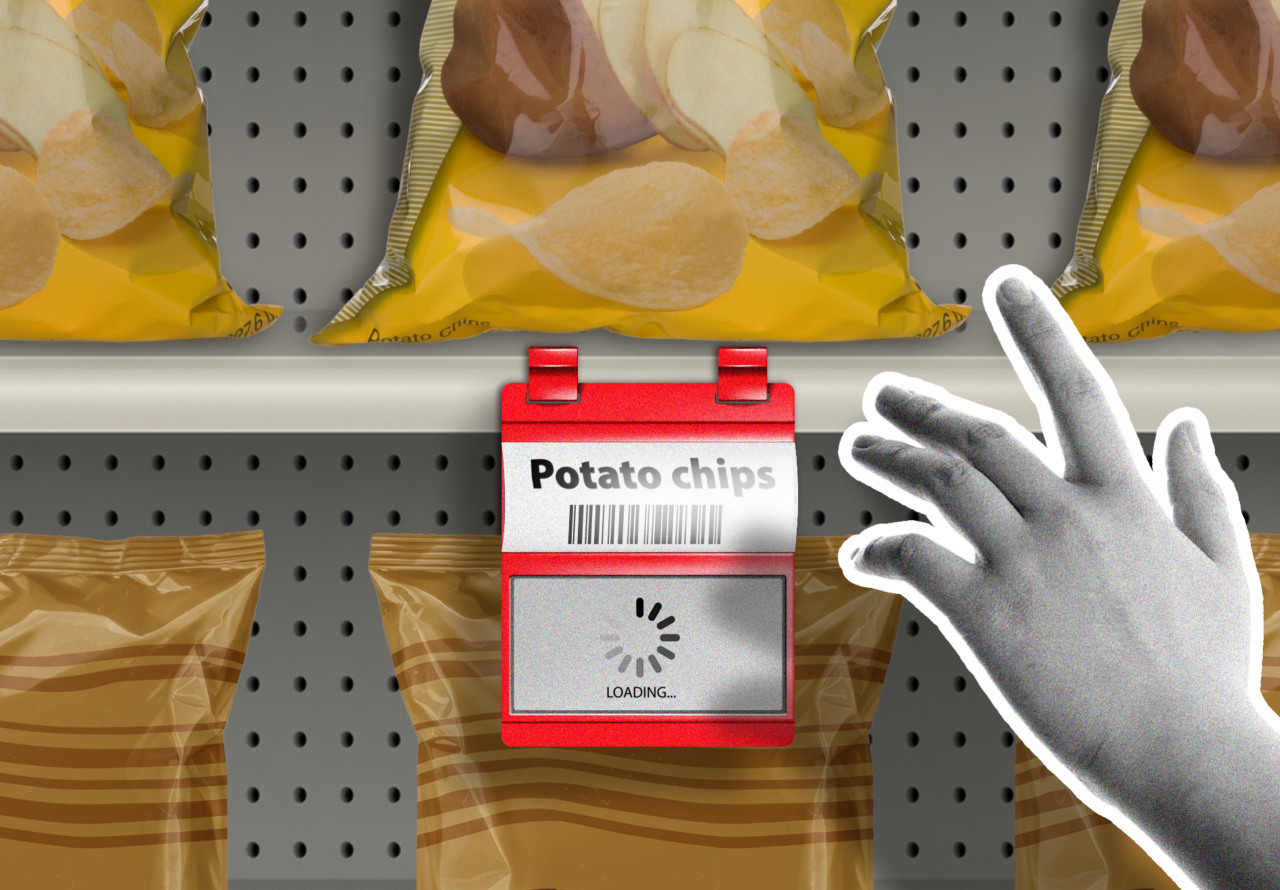
Paper price tags are starting to disappear from the aisles of some of the largest names in retail. Walmart, Best Buy and other chains are now using digital price tags, small electronic screens clipped to shelves that can show a new price without anyone printing or hanging a label. The change is part of a wider push to connect physical store shelves to the systems that set prices in the first place.
For retailers, the appeal is mostly operational. A central system can update many shelves at once, which reduces the labor of swapping paper signs and can narrow the gap between the price on the shelf and the price at the register. That gap has long been a source of customer complaints, so accuracy is likely to be a major selling point.
The concern is what the same technology makes possible. Critics say that once shelf prices are controlled electronically and can change quickly, a retailer could in principle show different people different prices, for example by tying offers to a shopper's loyalty account or app. Their argument is about capability rather than a documented practice.
It is worth separating the two. A shelf tag displays one price to everyone who walks past it at a given moment, so any personalized pricing would have to happen through a separate channel such as a phone app. The reporting summarized here does not establish that any chain is charging individual shoppers different amounts.
For now, the most visible effect for shoppers is a sharper-looking shelf. Whether the switch also changes what people pay depends on how each company uses the system, and that is the question critics want answered.
Reporting based on an external source.