 Sharespulse
Dalio's Playbook for an AI Bubble: Guard Against Inflation and Look Past the Obvious Winners
Investing·October 10, 2026
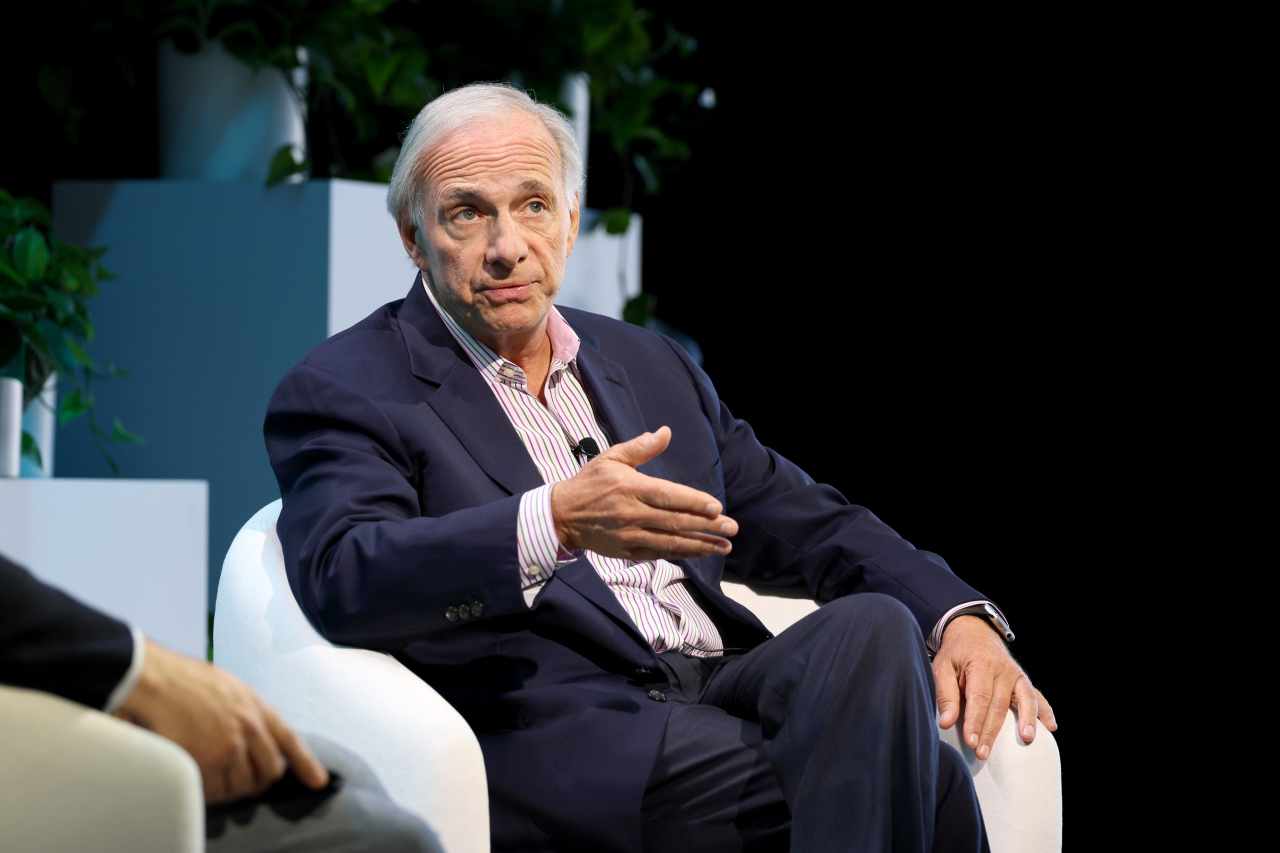
Ray Dalio, the founder of Bridgewater Associates, has built his reputation on treating market risk as a question of humility. Asked how to position a portfolio for the possibility that the AI boom turns into a bubble, he starts from an admission: the unknowns outweigh what anyone can confidently predict. Rather than wagering everything on one outcome, his approach is to build a portfolio that can hold up under several.
Inflation protection sits at the center of that approach. An AI-driven stock selloff is only part of the danger. If the spending that fueled the boom keeps prices elevated while growth slows, investors could face falling equity values and eroding purchasing power at the same time. Holdings that tend to keep their value when prices rise, such as inflation-linked bonds, real assets, and commodities, can act as ballast in that scenario.
On artificial intelligence itself, the advice is to look past the names that dominate headlines. The companies most closely associated with AI are often priced for near-perfect execution, which leaves little room for disappointment. Businesses that supply the hardware and infrastructure behind the technology, or firms in less glamorous sectors that use AI to lower costs, can offer exposure to the theme with less dependence on sky-high expectations.
For individual investors, the takeaway is less about any single stock and more about structure. A bubble is usually obvious only in hindsight, and concentrated bets on a popular theme can turn a correct thesis into a painful loss if the timing goes wrong. Diversifying across asset types and across the AI value chain is a way to stay invested in the trend without letting one outcome decide the result. Dalio's framework is a general one, not a personal recommendation, and anyone acting on it should weigh their own time horizon, risk tolerance, and financial situation.
Reporting based on an external source.