 Sharespulse
Big Tech Earnings Are Coming, and Jobs May Matter as Much as AI Spending
Earnings·October 27, 2026
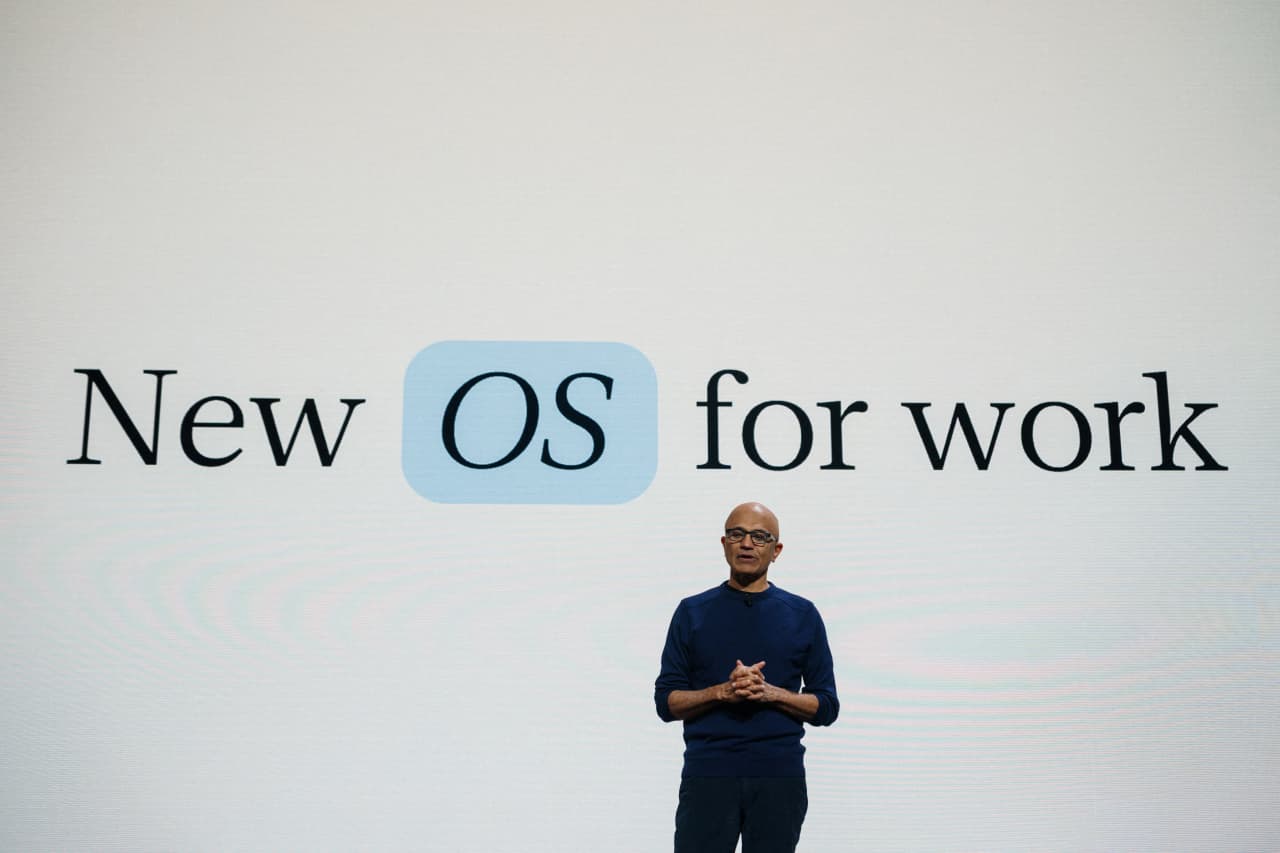
Microsoft, Alphabet and Amazon are heading into their quarterly reports, and the spotlight will land where it has for most of the past two years: on how much they are spending to build AI infrastructure and when that money starts to pay off. This time, though, a second question is competing for attention. Workforce cuts across the sector are prompting investors to ask what AI will mean for the people employed by the companies building it.
Capital spending on data centers, chips and power remains the central theme of Big Tech earnings. Analysts will be checking whether cloud and advertising revenue are growing quickly enough to justify the outlay, and listening closely for any change in how much more the companies plan to spend. Those figures still carry the most weight with share prices.
The jobs question is harder to read. When a company trims staff while announcing large AI investments, it invites the argument that automation is replacing roles. Executives often describe reductions differently, as a way of shifting budgets toward AI teams and trimming layers of management, rather than as a direct result of the technology. Investors may find it difficult to tell those explanations apart from the headline numbers alone.
Several details could help. Headcount changes disclosed in filings, the pace of operating expense growth compared with revenue, and whether management ties efficiency gains specifically to AI tools are all useful signals. So is the tone of commentary about hiring over the coming year. A company cutting staff while revenue accelerates tells a different story from one cutting to protect margins as growth slows.
The stakes extend past the stock prices. These three companies set hiring expectations for much of the broader tech economy, and their suppliers, partners and rivals tend to follow their lead. If they signal that AI lets them grow with fewer employees, that message will travel quickly. If they signal the opposite, that will be just as telling. Either way, the earnings calls are likely to be read for more than the capital spending line.
Reporting based on an external source.