 Sharespulse
AI Job Losses Could Put Household Debt Under Strain
Personal Finance·October 30, 2026
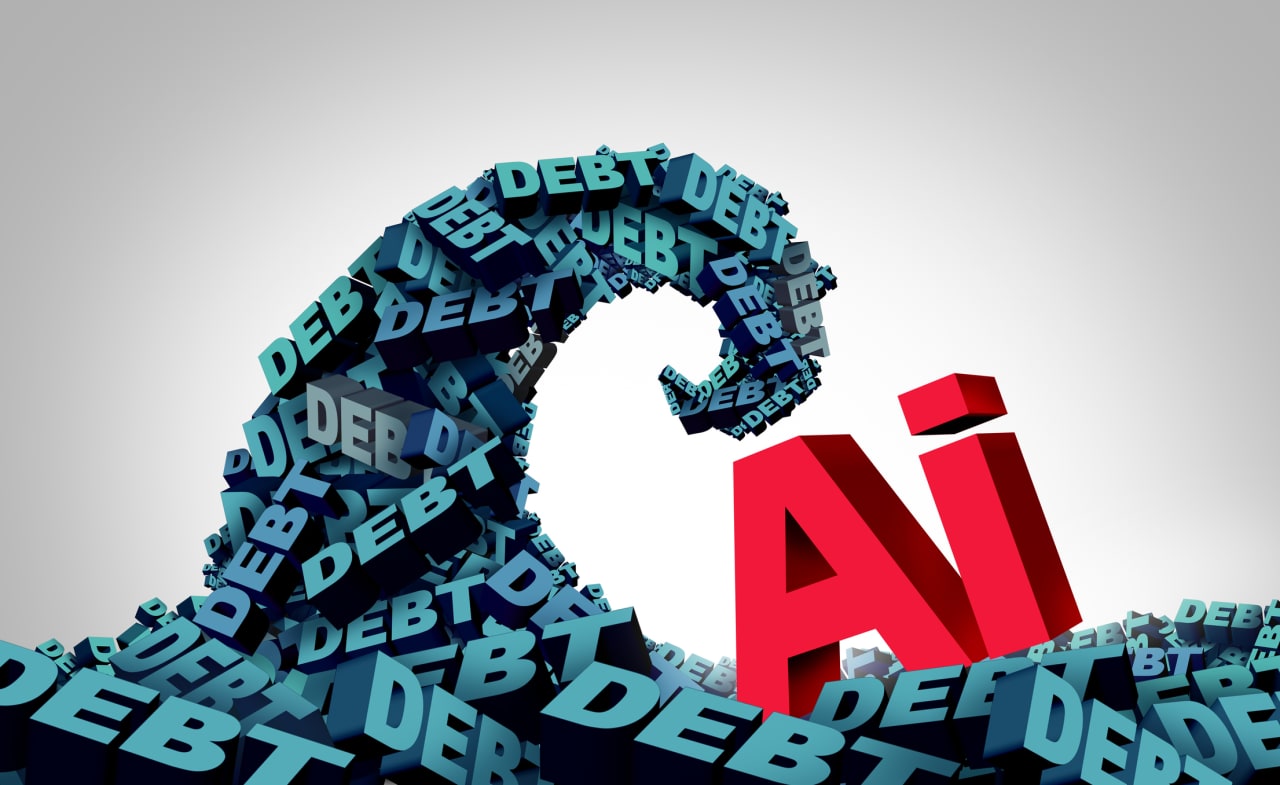
The worry is easy to state. If artificial intelligence eliminates or shrinks jobs faster than the economy creates new ones, the households hit first are often the ones carrying the most debt. Mortgages, car loans, credit cards and student loans all assume a steady paycheck. When that paycheck stops, the cushion is usually a few months of savings, and many families have less than that.
The trade-off is what makes the story more than a warning. Companies that adopt AI tools often expect lower costs and faster output, which can lift margins. But those gains do not automatically reach the workers whose tasks are being automated. A business can look healthier on paper while the people who used to work there start falling behind on payments.
Credit stress rarely stays inside one household. Lenders who see delinquencies rise tend to tighten standards and pull back on new credit. That slows spending across the wider economy, and the slowdown can land back on the same firms that adopted the technology in the first place.
There are tools to soften the blow. Lenders can reach out early to borrowers who lose income, offer flexible repayment plans and make hardship options easier to find. Governments can fund retraining and help workers move into roles that are harder to automate. Individuals have more modest levers: keep an emergency fund, know which of your debts carry variable rates, and be cautious about taking on new high-interest balances if your role is one that automation is likely to touch.
The real question is not whether AI will change the labor market. It is whether the people most exposed to that change will have enough financial room to absorb it. The answer will depend less on the technology itself than on how quickly income protection and debt support can keep pace with it.
Reporting based on an external source.