 Sharespulse
AI Is Eating the Open Web, and Old Business Models Are Breaking
AI·November 4, 2026
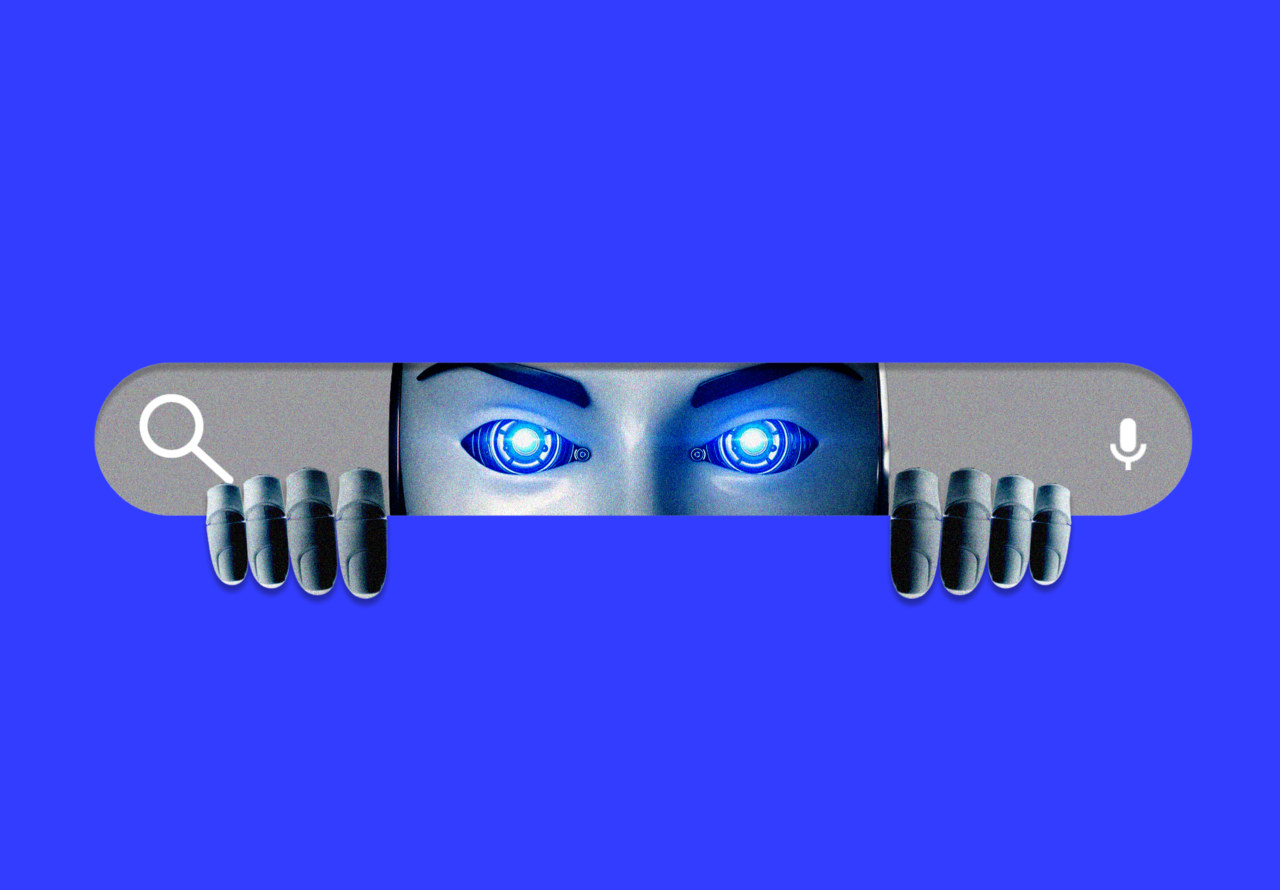
A chief executive has said the internet as most people have known it for the past 20-plus years is going away, and that it is about to change completely. The warning puts a name to a shift many publishers and site owners have been feeling for months: people increasingly get answers from AI assistants and summary boxes instead of clicking through to the pages that supplied the information.
The business models most exposed are the ones that trade free content for search traffic and advertising. Publishers, review sites, recipe blogs, and comparison guides built their audiences by ranking in search results. When an AI system answers the question on the results page, fewer people arrive at the source, and fewer ad impressions, subscription prompts, and affiliate clicks follow. For sites with thin margins, that drop can decide whether the business survives.
The pressure reaches beyond news. Any site that depends on being found by a query, from how-to guides and product reviews to niche forums and reference libraries, faces the same squeeze. Some companies are answering with licensing deals that pay AI developers for access to their archives, others with blocking tools that keep crawlers out, and others with assistants of their own. Deals tend to favor large publishers with bargaining power, leaving smaller sites with fewer options.
What comes next is harder to call. One view is that the open web will shrink into a smaller set of destinations, communities, and apps that people visit directly. Another is that a new economy will emerge in which AI platforms pay for sources or route traffic in new ways. Either way, the practical lesson for operators is to stop treating search referrals as a stable foundation. Building direct audiences, email lists, memberships, and products that do not depend on a single gatekeeper is becoming less a growth strategy than a survival requirement.
Reporting based on an external source.