 Sharespulse
After a Basement Fall, a Hard Question About Preventing the Next One
Home Safety·October 10, 2026
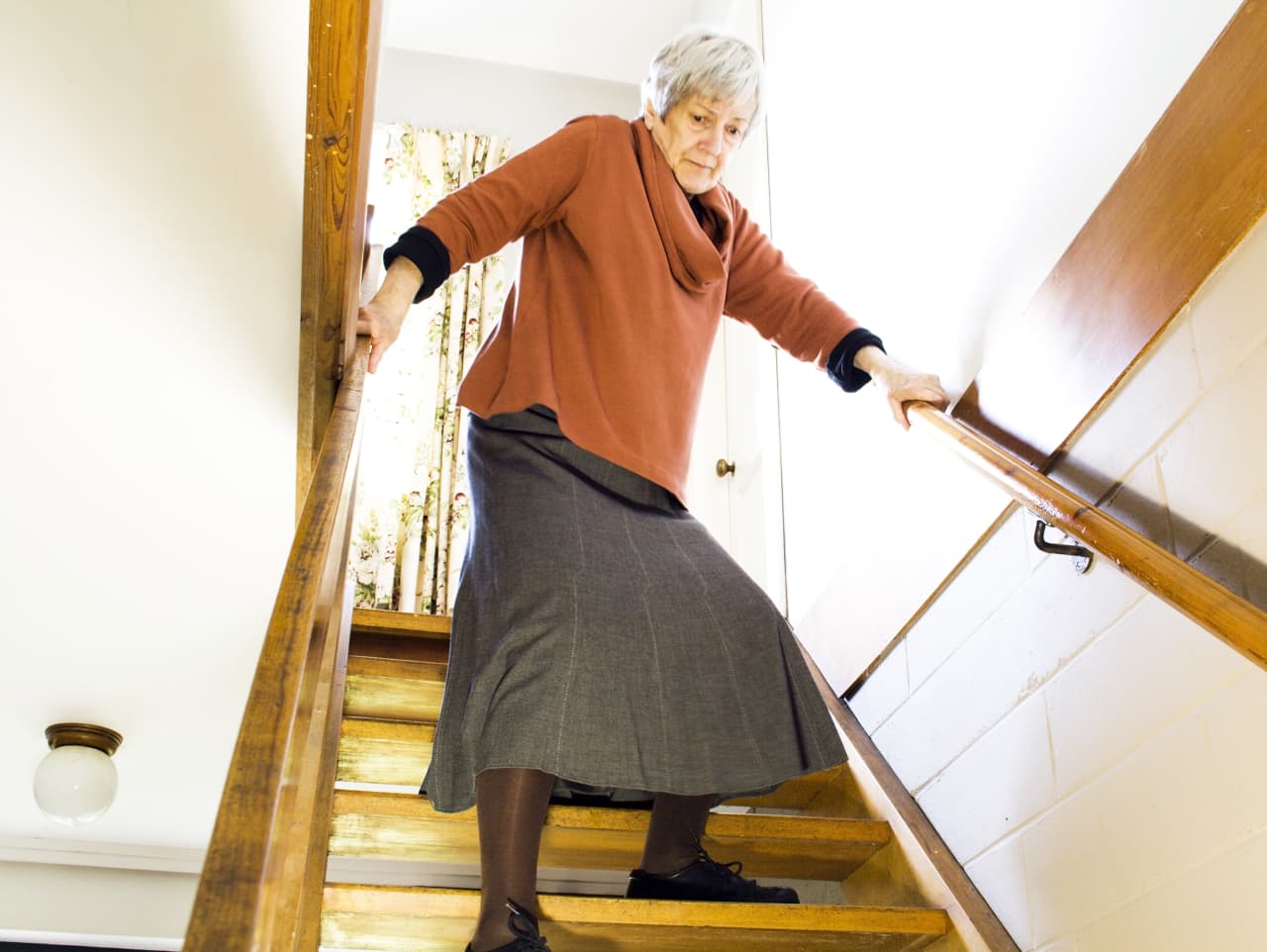
A fall down a basement staircase can look like a single bad moment, but for older adults it can start a chain of medical problems that lasts for weeks. That is the lesson in the account of a friend in her 80s, who described the pain as excruciating. Her injuries later progressed to pleural effusion, a buildup of fluid between the lungs and the chest wall that compressed her lungs and made breathing difficult.
After an accident like this, families often ask the same question: what could we have done differently? There is rarely one answer, but fall-prevention specialists tend to point to the same few areas.
Stairs come first. Sturdy handrails on both sides, good lighting at the top and bottom, and treads that are not worn or slick all reduce the chance of a misstep. Basements are often the worst case, with dim light, cluttered landings, and steep, narrow steps that were rarely built to current standards. Keeping boxes and laundry off the stairs and installing a light switch at each end are simple changes with a real payoff.
Health matters just as much. Balance and leg strength decline with age, and common medications, including some sleep aids, sedatives, and blood pressure drugs, can cause dizziness. A periodic medication review with a doctor or pharmacist can flag these risks. Vision checks are also worth scheduling, since outdated glasses or cataracts can distort depth perception on steps. Strength and balance training, such as tai chi or a supervised exercise program, has solid evidence behind it for reducing falls.
Footwear is easy to overlook. Loose slippers and socks on hard stairs cause many falls at home, while well-fitting shoes with non-slip soles offer far better grip.
The medical side of the story is a reminder to take a fall seriously even when the person gets up and insists they are fine. Severe pain, trouble breathing, shortness of breath, or bruising on the chest or back after a fall warrants prompt medical evaluation. Chest injuries, including broken ribs, can sometimes lead to fluid buildup around the lungs, and those complications are not always obvious right away.
Reporting based on an external source.