 Sharespulse
A Fall on the Basement Stairs Can Hide a Serious Injury
Health·October 10, 2026
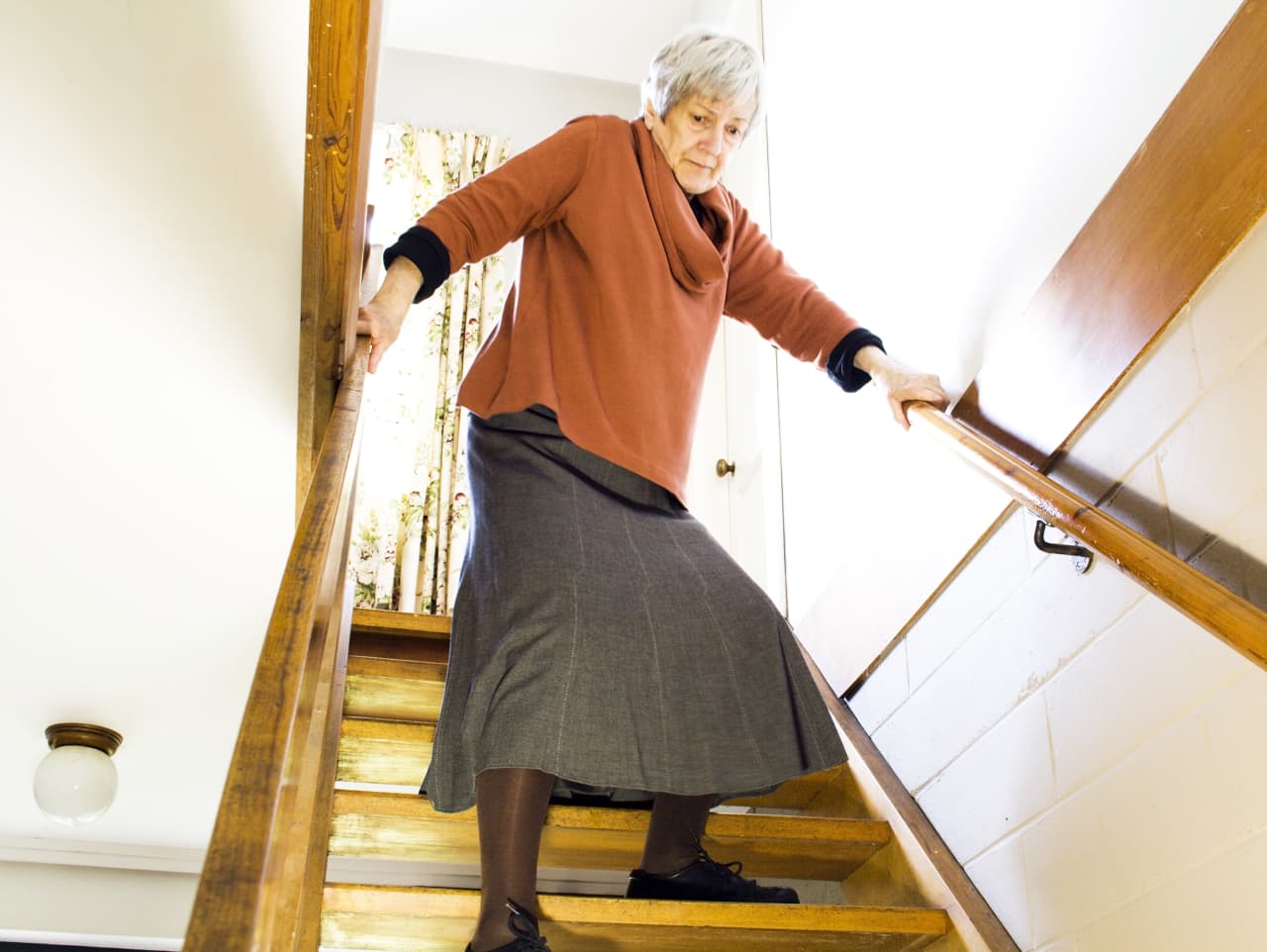
A woman in her 80s took a tumble down her basement stairs, the kind of accident many households would shrug off. In the weeks that followed, she developed a pleural effusion, a buildup of fluid in the space between the lungs and the chest wall. As the fluid grew, it pressed on her lungs and made every breath harder to take. The account, shared by a friend, raises a question many readers will recognize: how many of the hazards in our own homes are easy to overlook?
Stairs, and basement stairs in particular, are a well-known danger for older adults. Poor lighting, worn carpet, steep treads, and missing handrails all raise the risk of a fall. Falls are one of the leading causes of injury among people over 65, and they can cause fractures, head injuries, and internal damage that does not show up right away. Chest injuries from a fall, such as cracked ribs or bleeding inside the chest, can sometimes lead to fluid collecting around the lungs days or even weeks later. That delay is why a fall that seems minor at the time deserves attention.
Doctors generally advise anyone who falls and then notices new shortness of breath, chest pain that worsens when breathing, a persistent cough, fever, or unusual fatigue to get checked promptly. Those symptoms are not specific to a fall and can have many causes, but a recent injury is an important clue for clinicians. People who take blood thinners or who hit their head should be especially careful, since internal bleeding may not be obvious.
Home safety fixes are often inexpensive. A sturdy handrail on both sides of the stairs, bright lights at the top and bottom, contrasting tape on the edges of each step, and a stairwell kept clear of boxes and laundry all help. Families can also check in on older relatives who live alone and encourage them to mention any fall to their doctor, even when they feel fine afterward.
The most important lesson may be simple. A fall in an older adult is never just a stumble. The effects can be delayed, and early medical attention can make a real difference.
Reporting based on an external source.